
Aerate Greens Golf Course
Aerate Greens Golf Course - Putting green aeration is never popular. Tines act like teeth, grinding through the ground to create. It’s particularly beneficial for areas with heavy foot traffic. Golf courses aerate their greens for four major reasons, all of which affect turf health. Achieving the perfect surface requires a combination of proper maintenance. Aeration is a critical part of golf course maintenance, and it is typically done in the early spring or fall. “the main reason is organic matter buildup,” cuffare says about the need to aerate greens. Here are five things every golfer should know about this unpopular but important maintenance. Aeration, or you will sometimes see it as aerification, is the process of loosening the soil to reduce compaction and increase the movement of water and oxygen into the rootzone. Why do golf courses aerate greens? Returning to the course each spring is fun, but playing on aerated greens is not. Golf course superintendents aerify the greens to both accelerate the rate of airflow into the turf root zone and prevent excessive soil compaction while improving water. Golf courses aerate their greens to maintain optimal playing conditions and improve turf health. For homeowners, annual aeration can significantly enhance lawn vitality. Whether using a mechanical aerator or. It’s particularly beneficial for areas with heavy foot traffic. Learn everything you need to know to create perfect putting conditions. From why golf courses aerate, to what relief the usga allows during aeration season, to some helpful tips to navigating the golf course during aeration, here are the. Aeration, or you will sometimes see it as aerification, is the process of loosening the soil to reduce compaction and increase the movement of water and oxygen into the rootzone. This step by step guide will teach you how to aerate golf greens on a budget. If aerated greens are the root canal of course management, the procore is novocain. Learning more about why and how. These top 100 teacher tips will help you keep your cool. Golf course superintendents aerify the greens to both accelerate the rate of airflow into the turf root zone and prevent excessive soil compaction while improving water. Over time, it. Why do golf courses aerate greens? Aeration is a critical part of golf course maintenance, and it is typically done in the early spring or fall. Learning more about why and how. Golf courses aerate their greens to maintain optimal playing conditions and improve turf health. It’s particularly beneficial for areas with heavy foot traffic. Learning more about why and how. It’s particularly beneficial for areas with heavy foot traffic. According to cuffare, a layer of organic matter—consisting of decaying roots, grass. Improve your golf course or lawn with these. Here's why golf courses need to aerate greens and how the usga has been working to optimize the maintenance practice. Golf courses aerate their greens to maintain optimal playing conditions and improve turf health. Thatch is dead organic matter. Topdressing a golf course is often paired with aeration to maximise its benefits. Tines act like teeth, grinding through the ground to create. Discover the benefits of aerating greens, learn the proper technique, and find out how to maintain and evaluate. Aeration might seem like an annoyance, but it plays a crucial role in keeping putting surfaces smooth and playable over time. Aeration creates small holes in the turf, allowing sand or rootzone mix. Understandably, golf course superintendents and usga agronomists field many questions about aeration each year. This step by step guide will teach you how to aerate golf greens. Golf course superintendents aerify the greens to both accelerate the rate of airflow into the turf root zone and prevent excessive soil compaction while improving water. Here's why golf courses need to aerate greens and how the usga has been working to optimize the maintenance practice. Golf courses aerate their greens to maintain optimal playing conditions and improve turf health.. Golf courses aerate greens to control organic matter such as roots and thatched grass, and ensure water can move through the upper layer of soil freely. These top 100 teacher tips will help you keep your cool. Golf courses aerate their greens to maintain optimal playing conditions and improve turf health. Here's why golf courses need to aerate greens and. If aerated greens are the root canal of course management, the procore is novocain. From why golf courses aerate, to what relief the usga allows during aeration season, to some helpful tips to navigating the golf course during aeration, here are the. Aeration creates small holes in the turf, allowing sand or rootzone mix. Here's why golf courses need to. Discover the benefits of aerating greens, learn the proper technique, and find out how to maintain and evaluate aerated greens. If aerated greens are the root canal of course management, the procore is novocain. Here's why golf courses need to aerate greens and how the usga has been working to optimize the maintenance practice. Constant foot traffic, golf ball impacts,. Think of golf course aeration as preventive maintenance: Here's why golf courses need to aerate greens and how the usga has been working to optimize the maintenance practice. It's the (typically) annual process of punching little holes into greens (and sometimes fairways) that opens up growing. It’s particularly beneficial for areas with heavy foot traffic. Thatch is dead organic matter. Over time, it builds up on the surface of. Here's why golf courses need to aerate greens and how the usga has been working to optimize the maintenance practice. Tines act like teeth, grinding through the ground to create. Here are five things every golfer should know about this unpopular but important maintenance. Aerification is a vital antidote to compaction, relieving the pressure of all the foot traffic greens receive. It’s particularly beneficial for areas with heavy foot traffic. Golf courses aerate greens to control organic matter such as roots and thatched grass, and ensure water can move through the upper layer of soil freely. Constant foot traffic, golf ball impacts, and the use of heavy equipment like mowers. Aerated greens refer to golf course putting greens that have undergone aeration, a maintenance practice designed to improve soil structure, drainage, and overall turf health. Aeration might seem like an annoyance, but it plays a crucial role in keeping putting surfaces smooth and playable over time. Discover the benefits of aerating greens, learn the proper technique, and find out how to maintain and evaluate aerated greens. Think of golf course aeration as preventive maintenance: Aeration is a critical part of golf course maintenance, and it is typically done in the early spring or fall. Aeration is usually performed in order to remove organic matter, decompress the soil,. Topdressing a golf course is often paired with aeration to maximise its benefits. It's the (typically) annual process of punching little holes into greens (and sometimes fairways) that opens up growing.
Why Golf Courses Aerate Greens (Plus How To Putt Well On Them
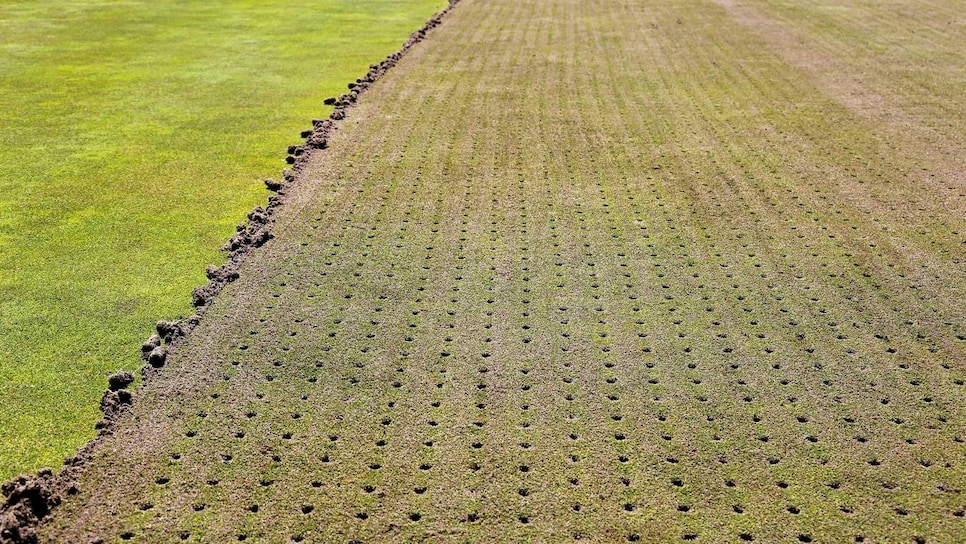
Aerating greens, explained by a top course superintendent How To Play
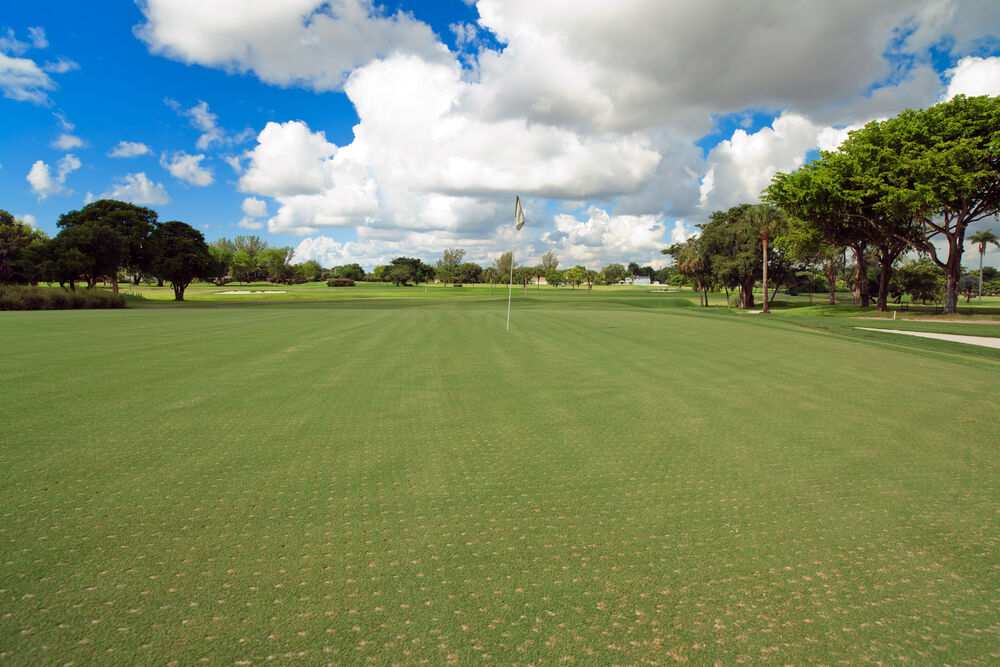
5 Burning Aerated Greens Questions, Answered

Kimberley Golf Club Outdoor Operations Fall Greens Aeration

Aerated Greens Why Courses Do It and How to Survive Playing on Them
-min+(1).JPG)
Give Your Greens a Vacation with Golf Course Aeration

Why Do Golf Courses Aerate Putting Greens? YouTube
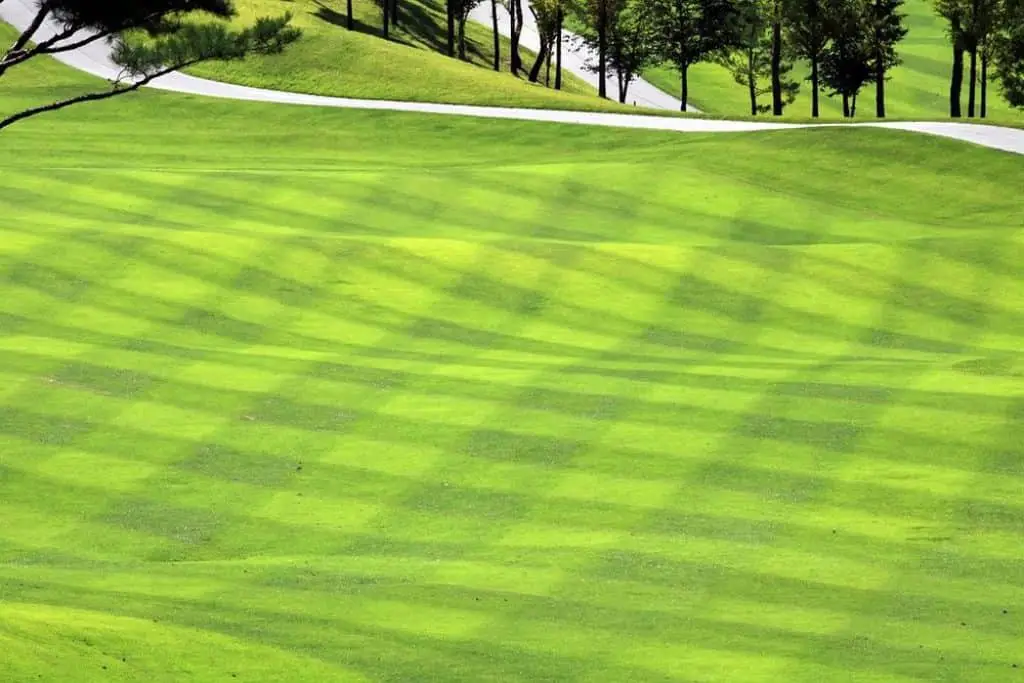
How Long Do Aerated Greens Take to Heal? Mike Adams Golf
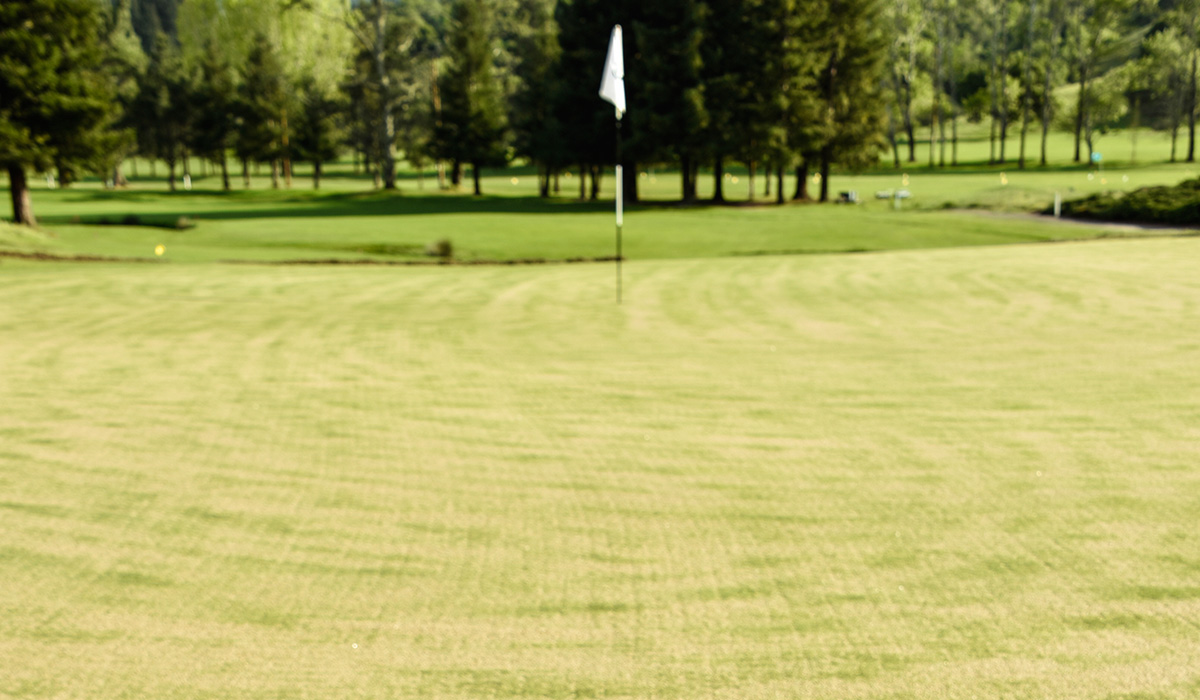
How To Adjust For Aerated Greens The GOLFTEC Scramble
/topdressing-golf-green-58446e123df78c0230e3ba0f.jpg)
Aeration of Golf Greens What It Is, Why They Do It
Many Golf Courses Will Be Performing Putting Green Aeration In The Coming Weeks.
Understandably, Golf Course Superintendents And Usga Agronomists Field Many Questions About Aeration Each Year.
Learning More About Why And How.
Golf Courses Aerate Their Greens For Four Major Reasons, All Of Which Affect Turf Health.
Related Post: