
Align Course
Align Course - Alignment is when there is consistency across the program with precise connections between evaluations, course goals and learning tasks. Define what is meant by alignment when describing course design. Bloom’s taxonomy was created to outline and clarify how learners acquire new knowledge and skills. It allows users to manage their software development projects using popular agile methodologies such as scrum, kanban, and safe (scaled agile framework). Assessments, activities, and learning materials. Backward or reverse course design. Now that you have strong learning goals and objectives written for your course, the next step of the process is to create equitable assessments.when you are designing assessments for the course, think about the various types of assessments that could be used throughout the course that are most effective for learning. Start with a numbered list of the course outcomes. Explain course alignment in your own words. The learning outcomes form the spine of a course, holding together the corresponding elements that must be aligned. What is a course alignment map? The process of designing an aligned course starts with the goals in mind and works back from there. Whether you're implementing safe, less, or disciplined agile, this course will guide you through how jira align creates transparency, drives alignment, and. Explain course alignment in your own words. Start with a numbered list of the course outcomes. Alignment is the direct link between learning outcomes and course components: The major course components work together when aligned to ensure students. So alignment is about ensuring that your assignments, activities, assessments, and course materials all “align” to your goal(s). Assessments, activities, and learning materials. Bloom’s taxonomy was created to outline and clarify how learners acquire new knowledge and skills. Alignment is when there is consistency across the program with precise connections between evaluations, course goals and learning tasks. With align education, you’ll find a wide variety of immersive continuing educational experiences at your fingertips. We reimagine and reinvent the way orthodontic and restorative treatment is presented and delivered to millions of people around the world. Alignment refers to how. Define what is meant by alignment when describing course design. For support with align education training materials email [email protected] This approach of working backward from learning goals/outcomes is often. The process of designing an aligned course starts with the goals in mind and works back from there. It is important to align learning objectives with instructional strategies and assessments to. Explain course alignment in your own words. Conduct a comprehensive course alignment. When you are creating a course, strive to design with the end in mind. Creating assessments & checking for alignment. Now that you have strong learning goals and objectives written for your course, the next step of the process is to create equitable assessments.when you are designing assessments. Learning outcomes also guide instructors to align critical course components, such as student assessments, instructional materials, course activities, and course technology. Define what is meant by alignment when describing course design. It is also important to note that an online class is a 24/7 space. Clear course outcomes that align with all assignments, activities, and assessments provide students with a. Apply four strategies for course alignment. While most instructors at uic are still using the original course view, instructors now have the option to adopt the ultra course view. The learning outcomes form the spine of a course, holding together the corresponding elements that must be aligned. By the end of this chapter, you will be able to: With align. By the end of this chapter, you will be able to: We reimagine and reinvent the way orthodontic and restorative treatment is presented and delivered to millions of people around the world. The process of designing an aligned course starts with the goals in mind and works back from there. Now that you have strong learning goals and objectives written. This approach of working backward from learning goals/outcomes is often. By the end of this chapter, you will be able to: The major course components work together when aligned to ensure students. Think of the learning objectives as a set of skills, knowledge, or abilities that your students will be able to demonstrate a mastery of at the. Creating assessments. What is a course alignment map? Apply four strategies for course alignment. This approach of working backward from learning goals/outcomes is often. Describe how well aligned courses support student learning. Assessments, activities, and learning materials. Learning outcomes also guide instructors to align critical course components, such as student assessments, instructional materials, course activities, and course technology. Think of the learning objectives as a set of skills, knowledge, or abilities that your students will be able to demonstrate a mastery of at the. Define what is meant by alignment when describing course design. While most instructors. Bloom’s taxonomy was created to outline and clarify how learners acquire new knowledge and skills. It allows users to manage their software development projects using popular agile methodologies such as scrum, kanban, and safe (scaled agile framework). Describe how well aligned courses support student learning. Explain course alignment in your own words. Learning outcomes also guide instructors to align critical. Conduct a comprehensive course alignment. Creating assessments & checking for alignment. Learning outcomes also guide instructors to align critical course components, such as student assessments, instructional materials, course activities, and course technology. Clear course outcomes that align with all assignments, activities, and assessments provide students with a map of your course, which helps them learn, allowing them see the big picture and make connections within the course. A course (alignment) map is a representation of how you intend to teach and assess each student learning objective identified for your course. What is a course alignment map? After you have established a set of measurable learning objectives for your course, work to develop assessments that are aligned with your stated learning objectives. We reimagine and reinvent the way orthodontic and restorative treatment is presented and delivered to millions of people around the world. When you are creating a course, strive to design with the end in mind. Start with a numbered list of the course outcomes. Describe how well aligned courses support student learning. Bloom’s taxonomy was created to outline and clarify how learners acquire new knowledge and skills. Write smart module learning objectives. It is also important to note that an online class is a 24/7 space. So alignment is about ensuring that your assignments, activities, assessments, and course materials all “align” to your goal(s). Explain course alignment in your own words.
How to Align Course SLOs to Program SLOs ppt download
Alignment Training Courses From Hunter Engineering Company Vehicle
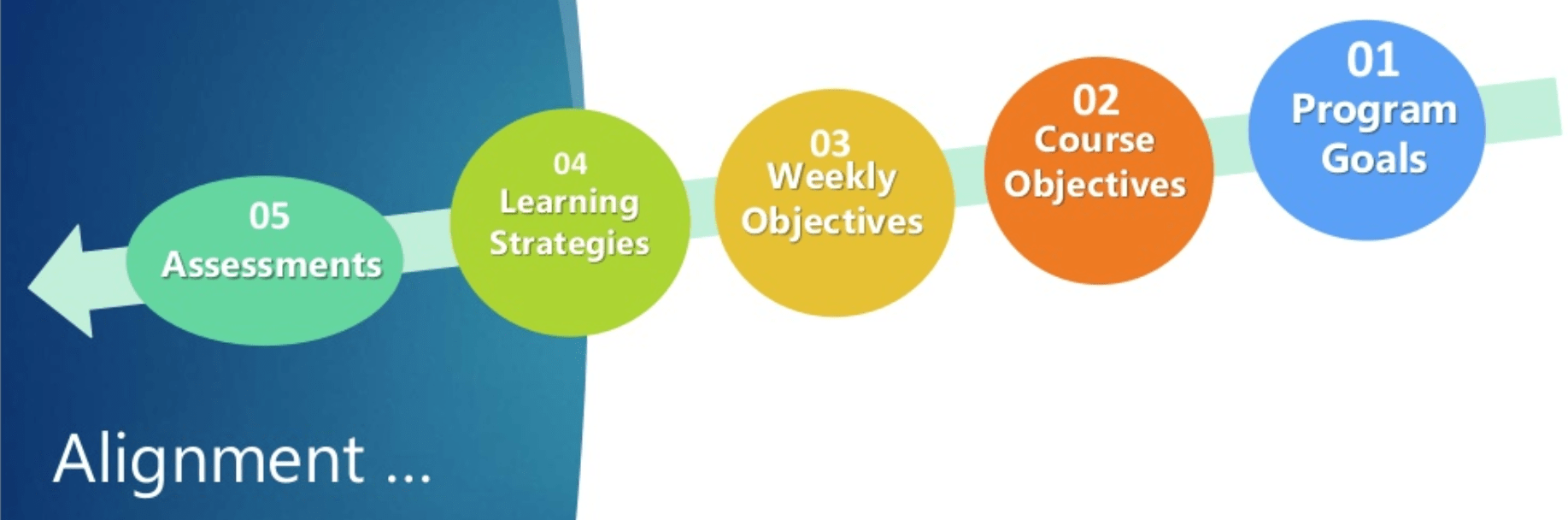
Course Alignment Learning In a Flat World

The Course Alignment Process Teaching Academy

Course Alignment YouTube

Unit 2 Course Learning and Assessments HyFlex Course Design
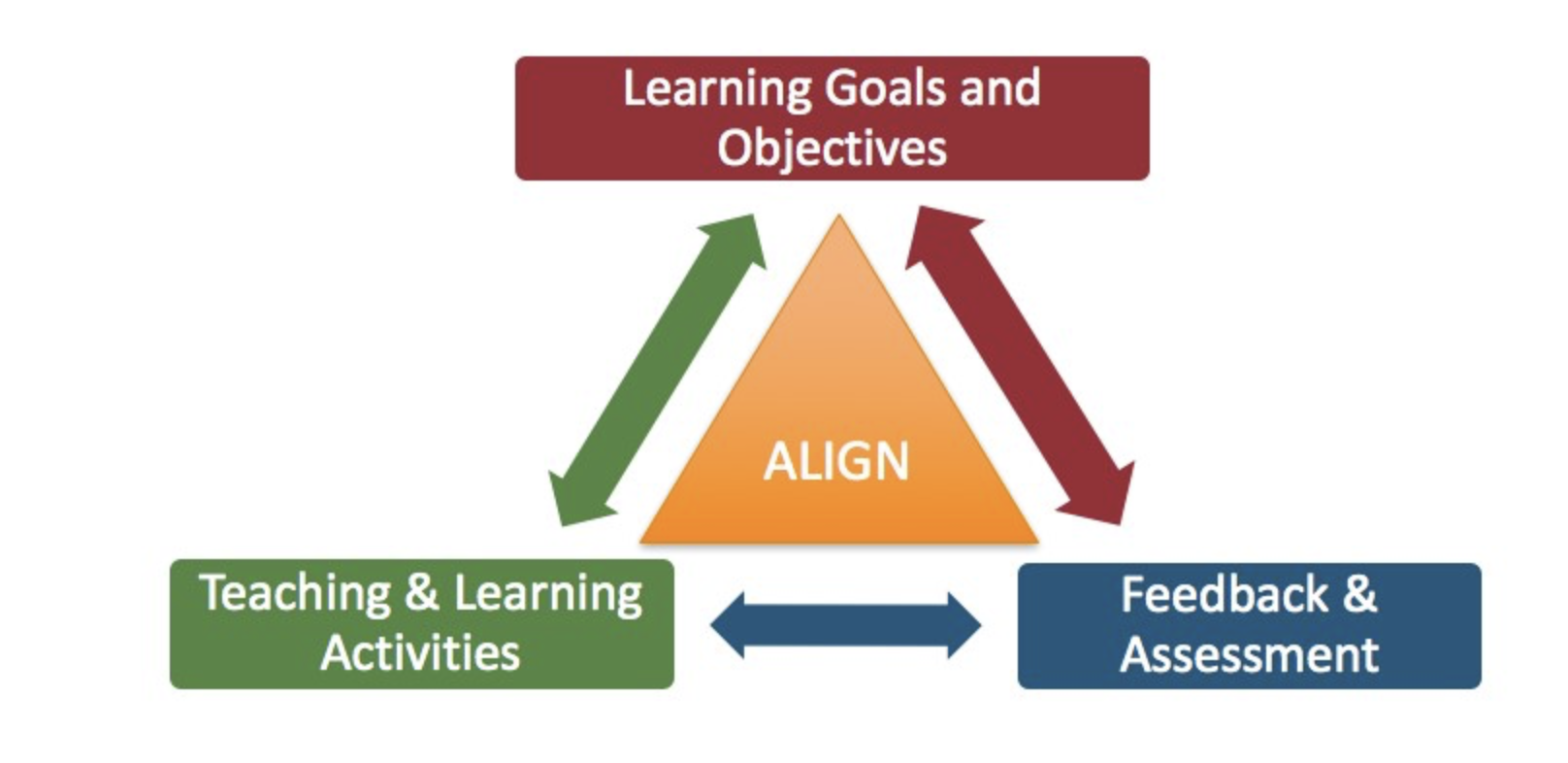
How Can We Align Learning Objectives, Instructional Strategies, and

19. Day 5 Transition from Warrior 1 to Warrior 2 Align "A must
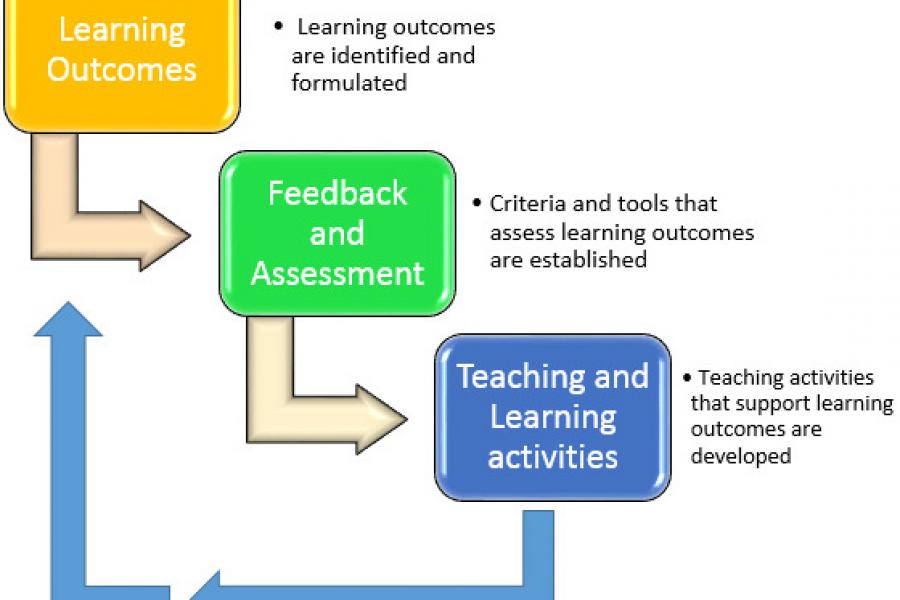
Course alignment The Centre for the Advancement of Teaching and
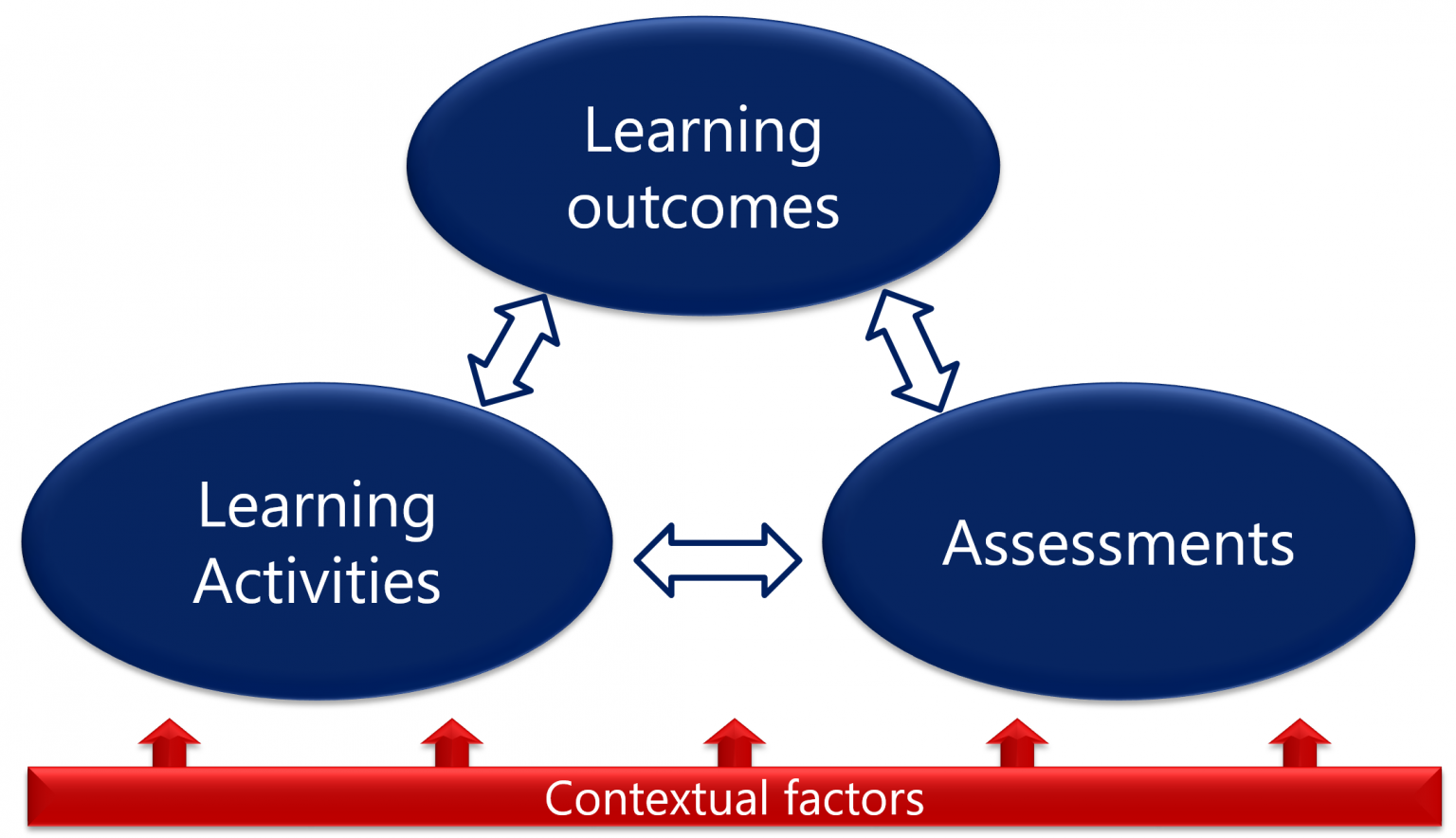
Constructive alignment Assessment Guidebook
It Allows Users To Manage Their Software Development Projects Using Popular Agile Methodologies Such As Scrum, Kanban, And Safe (Scaled Agile Framework).
Apply Four Strategies For Course Alignment.
The Process Of Designing An Aligned Course Starts With The Goals In Mind And Works Back From There.
While Most Instructors At Uic Are Still Using The Original Course View, Instructors Now Have The Option To Adopt The Ultra Course View.
Related Post: