
Course Numbers
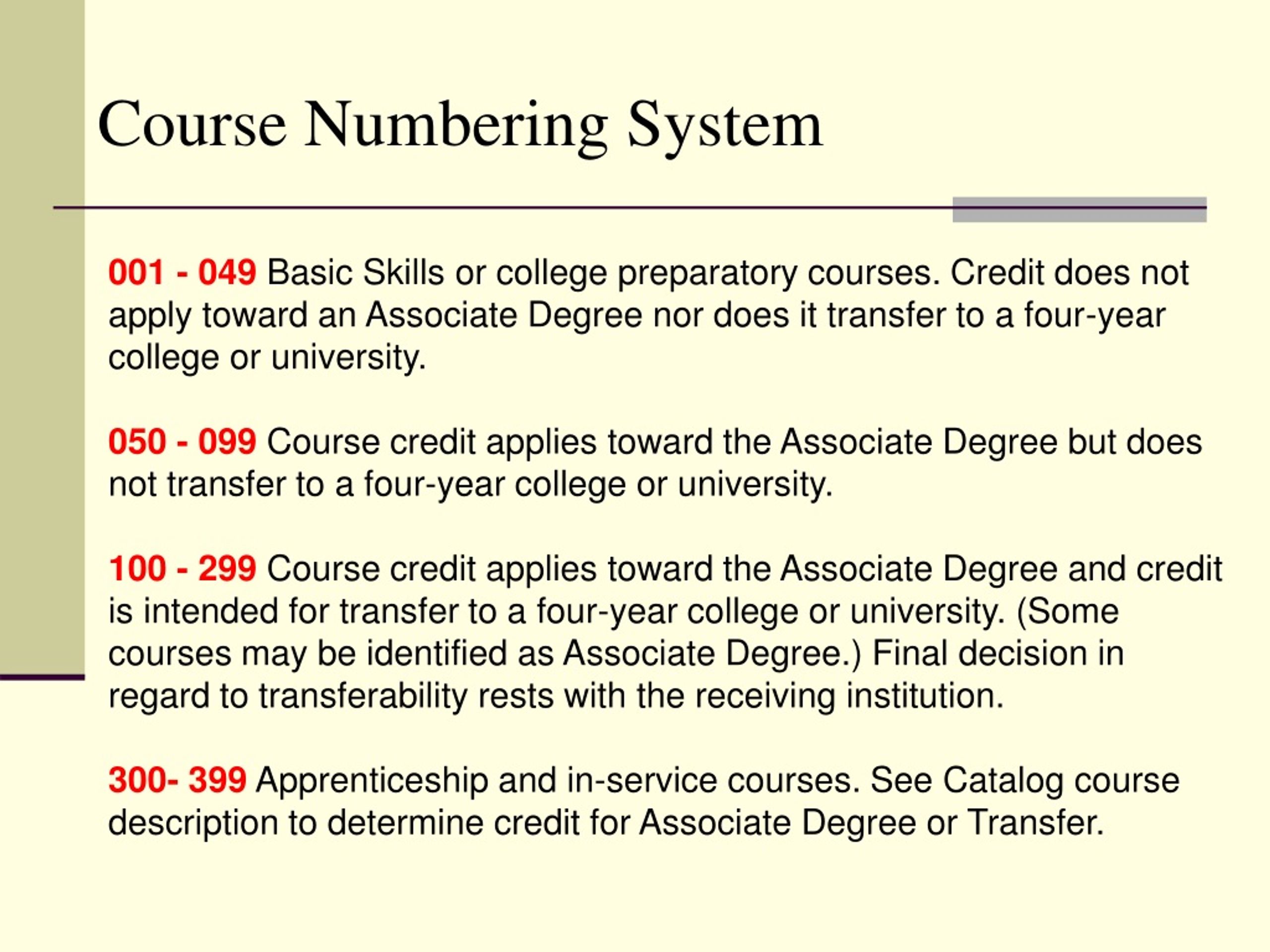
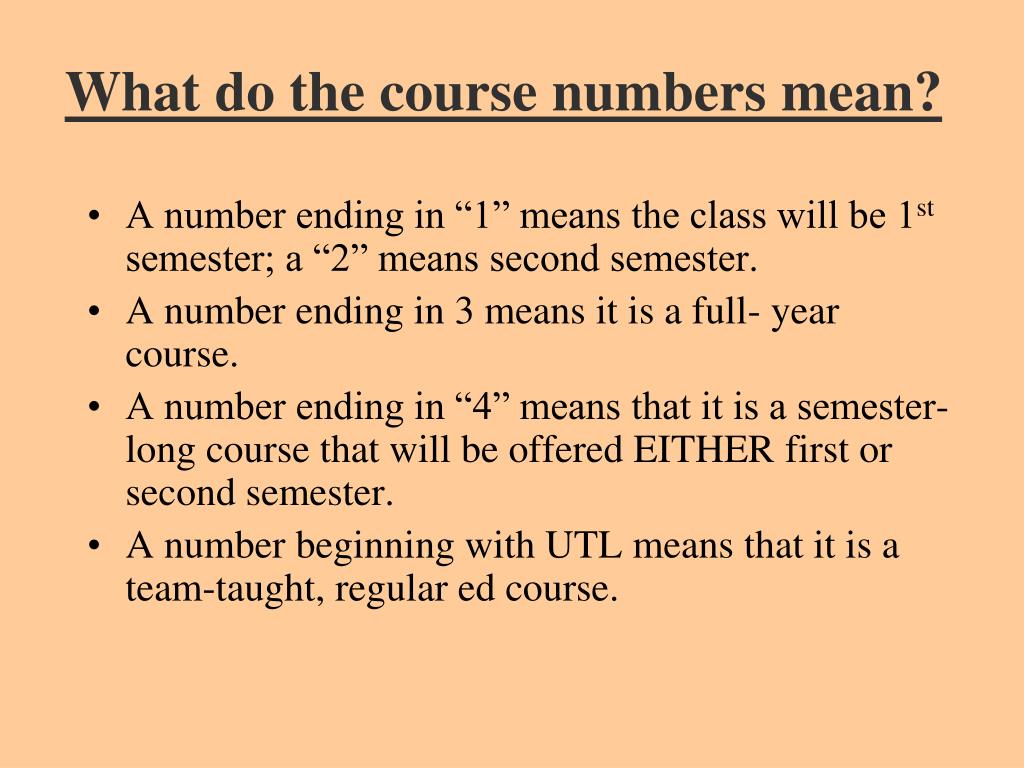
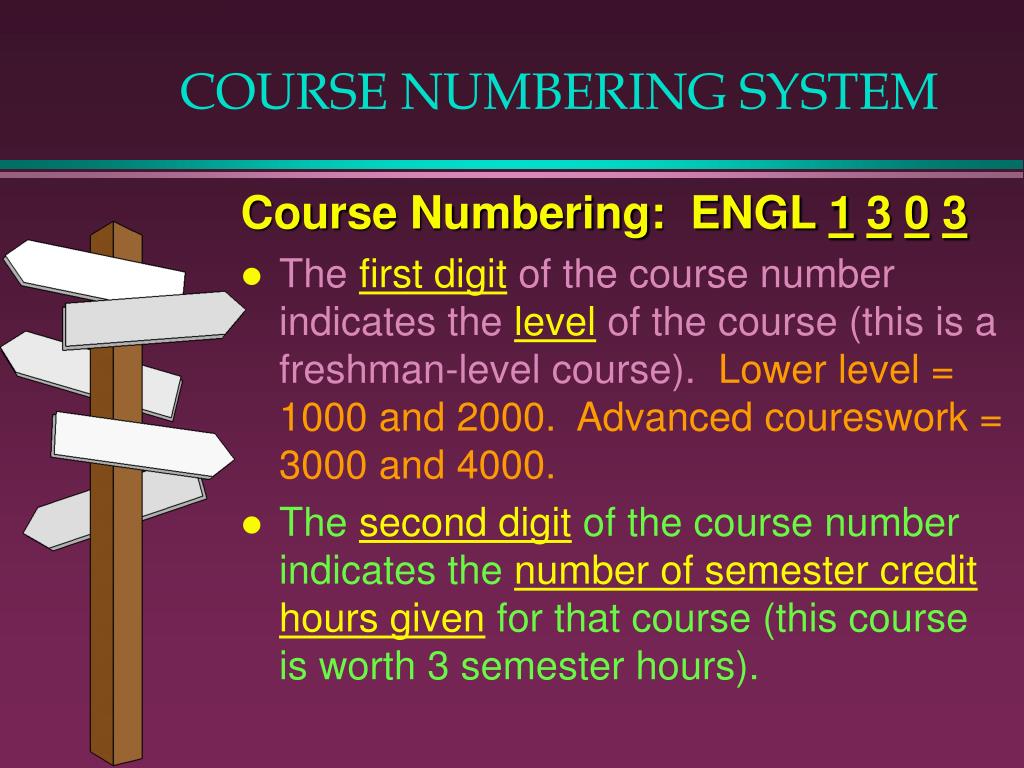
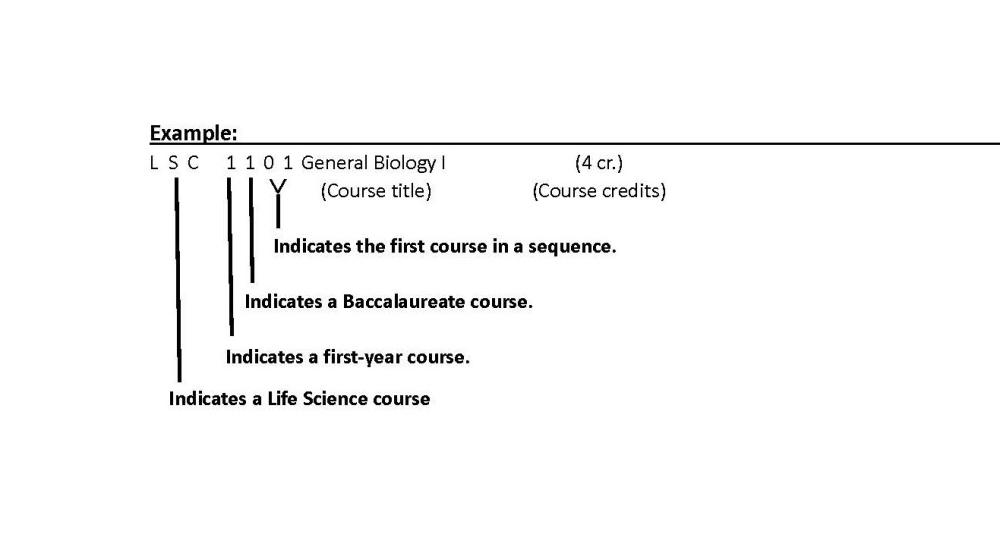
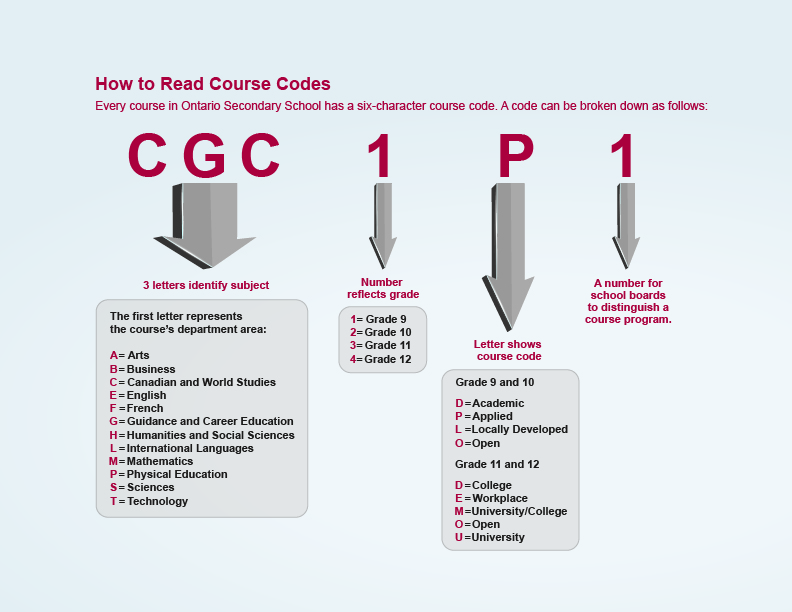
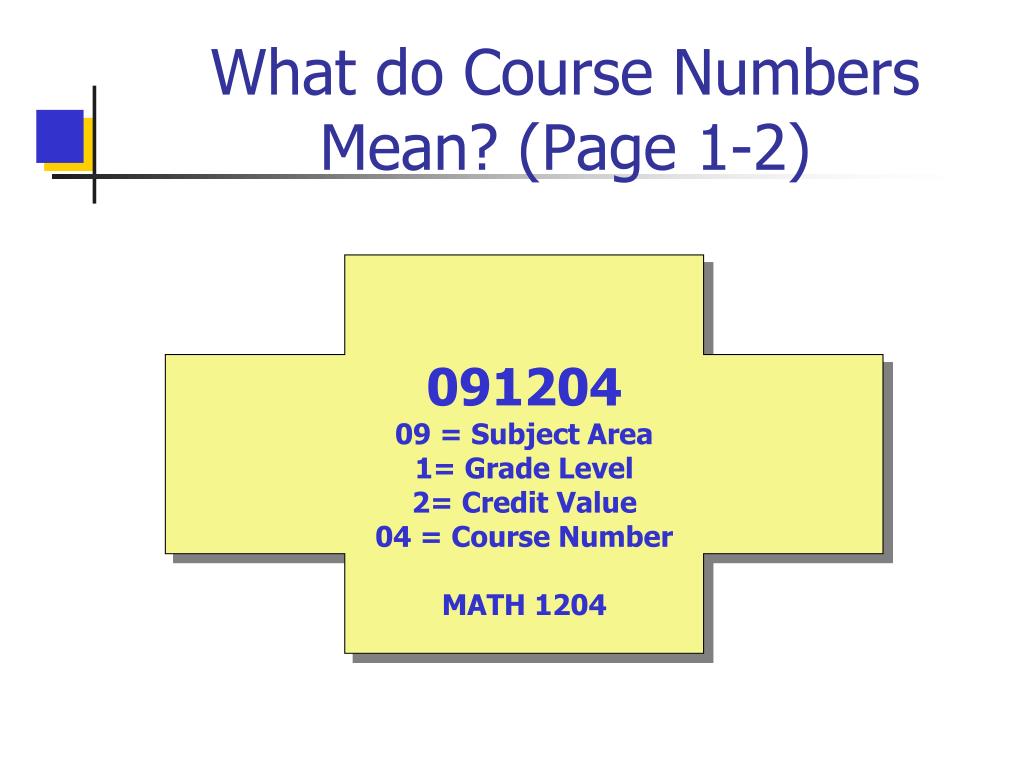
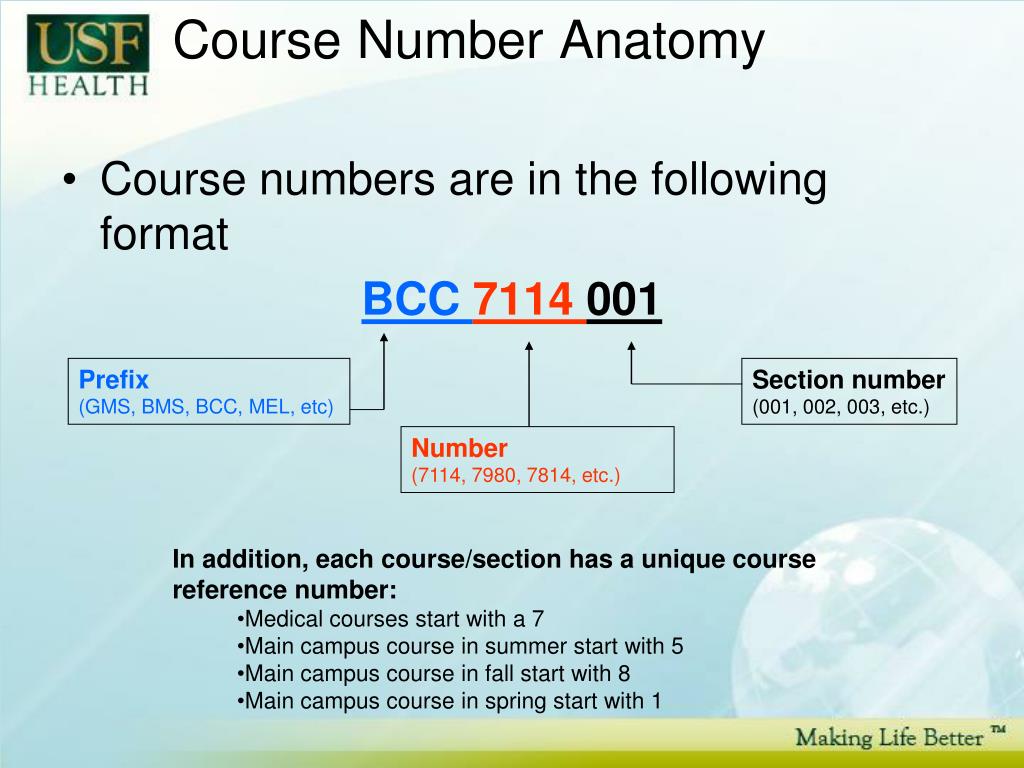
Course Numbers - The second number refers to the specific course. Thanks to the common course numbering system, courses with similar content will now share the same course number, subject prefix, and title across all community colleges, statewide. 3 and 4, upper class courses; A course number is a unique identifier assigned to a specific academic course, which helps students, faculty, and administrators keep track of their academic records. Used in graduate thesis research. Use the course numbering system to standardize the classes offered by your school. The first set of 3 numbers refers to the department (area of study) that offers the course. This new system, required by state law (assembly bill 1111), is designed to make it easier for students to transfer between colleges. The common course numbering (ccn) system provides a streamlined and consistent approach to course numbers and titles across california community college systems. This system assigns common course numbers for comparable. For example, at peabody, 710 is for theory; Instead of trying to figure out if “math 130”. For most schools, the numbers range. Used in graduate thesis research. Courses are designated by two numbers, separated by a colon. A course number is a unique identifier assigned to a specific course offered by an institution of higher learning. Each course description includes a rubric (subject area abbreviation), course number, course title, semester hours, prerequisites (if any), and course content. Browse the official listing of courses, programs, and degree requirements. Course numbers identify the course by subject and number. Roughly, 1 and 2 indicate underclass courses; 610 is for musicology, etc. The only real rule is that if a course has a certain number, no other course will have that number. The second number refers to the specific course. The common course numbering (ccn) system provides a streamlined and consistent approach to course numbers and titles across california community college systems. Course numbers play a vital. They provide valuable information about a course’s discipline, level, and content. Course numbers identify the course by subject and number. The course numbering system is provided here to help guide the creation and revision of courses and academic programs. This new system, required by state law (assembly bill 1111), is designed to make it easier for students to transfer between. Browse the official listing of courses, programs, and degree requirements. Detailed information regarding major requirements,. 3 and 4, upper class courses; The common course numbering (ccn) system provides a streamlined and consistent approach to course numbers and titles across california community college systems. Internships, teaching assistantships and other optional practical experiences, serving as avenues to apply knowledge to practice or. For example, at peabody, 710 is for theory; Each course description includes a rubric (subject area abbreviation), course number, course title, semester hours, prerequisites (if any), and course content. Unique classes for that course. Used in graduate thesis research. 3 and 4, upper class courses; The second number refers to the specific course. A course number is a unique identifier assigned to a specific course offered by an institution of higher learning. This new system, required by state law (assembly bill 1111), is designed to make it easier for students to transfer between colleges. This number is usually a combination of letters and numbers that.. Use the course numbering system to standardize the classes offered by your school. For most schools, the numbers range. 610 is for musicology, etc. The texas common course numbering system (tccns) has been designed for the purpose of aiding students in the transfer of general academic courses between colleges and. Course numbers identify the course by subject and number. The number by which a course is designated indicates the level of the course: The course numbering system is provided here to help guide the creation and revision of courses and academic programs. Understanding the structure and meaning of course numbers empowers students to navigate their academic paths more effectively. Level of the course (first digit) the first digit of. Internships, teaching assistantships and other optional practical experiences, serving as avenues to apply knowledge to practice or as exercises leading to added proficiency, should carry. The second number refers to the specific course. The first set of 3 numbers refers to the department (area of study) that offers the course. They provide valuable information about a course’s discipline, level, and. Course numbers and crns are not the same thing. Level of the course (first digit) the first digit of the course number indicates the level of the course: The second number refers to the specific course. The common course numbering (ccn) system provides a streamlined and consistent approach to course numbers and titles across california community college systems. Understanding the. Detailed information regarding major requirements,. Browse the official listing of courses, programs, and degree requirements. This new system, required by state law (assembly bill 1111), is designed to make it easier for students to transfer between colleges. To make transferring and course selection easier for students, california community colleges are. The only real rule is that if a course has. A course number is a unique identifier assigned to a specific course offered by an institution of higher learning. Detailed information regarding major requirements,. Used in graduate thesis research. This number is usually a combination of letters and numbers that. Starting in fall 2025, california community colleges are adopting a common course numbering (ccn) system (per ab 1111). Roughly, 1 and 2 indicate underclass courses; Course numbers play a vital role in the. The number by which a course is designated indicates the level of the course: The course numbering system is provided here to help guide the creation and revision of courses and academic programs. Course numbers and crns are not the same thing. Course numbers identify the course by subject and number. Unique classes for that course. The texas common course numbering system (tccns) has been designed for the purpose of aiding students in the transfer of general academic courses between colleges and. The first number refers to the department or area of the course; This new system, required by state law (assembly bill 1111), is designed to make it easier for students to transfer between colleges. 610 is for musicology, etc.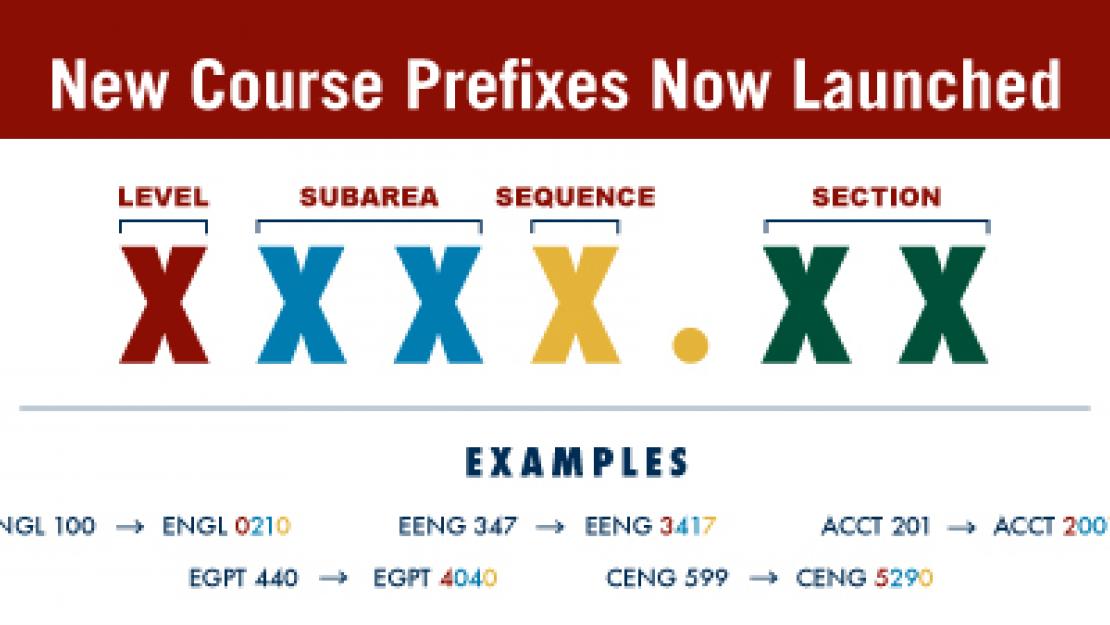
Advising with New Course Numbering System Starts Today The American
how do mit course numbers work

PPT GHS Course Selection 20142015 PowerPoint Presentation, free
how do mit course numbers work
how do mit course numbers work
Course Numbers IECC
Course Levels and Calendars St. Mary Catholic Secondary School
PPT Level I Student Registration PowerPoint Presentation, free

How to Register and Look Up the CRN to a Course With One Meeting Type
PPT COM Business Office Compliance PowerPoint Presentation, free
4.5/5 (22K Reviews)
Both Have Five Digits But Designate Different Things.
The Only Real Rule Is That If A Course Has A Certain Number, No Other Course Will Have That Number.
Internships, Teaching Assistantships And Other Optional Practical Experiences, Serving As Avenues To Apply Knowledge To Practice Or As Exercises Leading To Added Proficiency, Should Carry.
Related Post: