Course Vs Fine Thread
Course Vs Fine Thread - They also have larger tensile stress areas which in turn make them stronger in tension than coarse threads. Coarse threads are spaced further apart, while fine threads are closer together. Coarse threads have a larger pitch, meaning fewer threads per inch compared to. Understanding the differences between coarse thread and fine thread fasteners is crucial for selecting the right screws and bolts for your projects. Choose the right thread type for your application. Fine threads are often used in applications where precision is key. A clear choice between coarse thread vs fine thread is necessary from design perspective. + coarse threads are used when threaded into aluminum or cast iron because the finer threads tend to strip more easily in these materials. Whether securing materials on a bustling construction site or crafting a delicate structure, choosing the right thread ensures the success of your project. Fine threaded fasteners are a much better choice when specific measurements are required. For example, a 2in bolt has 50 peaks, or 25 threads per inch (tpi). Threads have a smaller pitch, resulting in more threads per inch. Some fasteners have coarse threads, whereas others have fine threads. Fine threads are closer together and smaller. The choice between fine thread and coarse thread is determined by the application and materials used. Fine threads feature closer spacing and narrower angles, providing more surface contact for stronger hold in harder materials. Fine threads have many positive aspects to them. Understand the differences between fine thread and coarse thread, their pros and cons, and where they are commonly used. Fine threads have a smaller pitch in thread compared to coarse threads, therefore have a higher number of threads per unit length. Coarse threading is when the thread peaks are further apart and bigger. In this article, we will explore the differences between coarse and fine threads, their advantages, and their suitable applications to help you make informed choices when working with threaded fasteners. Coarse threads shine in rugged environments, while fine threads excel in precision and strength applications. A clear choice between coarse thread vs fine thread is necessary from design perspective. Coarse. Whether securing materials on a bustling construction site or crafting a delicate structure, choosing the right thread ensures the success of your project. Coarse threading is when the thread peaks are further apart and bigger. Some fasteners have coarse threads, whereas others have fine threads. Fine threads feature closer spacing and narrower angles, providing more surface contact for stronger hold. Coarse threading is when the thread peaks are further apart and bigger. While the fine thread is relative to the coarse thread. Whether securing materials on a bustling construction site or crafting a delicate structure, choosing the right thread ensures the success of your project. This is because the fine thread fastener has a higher minor diameter. + are stronger. Coarse threads are best suited for applications requiring speed and ease of installation, whilst fine threads are better suited for. For example, a 2in bolt has 50 peaks, or 25 threads per inch (tpi). A fine thread fastener of the same size as a coarse thread fastener would be stronger in tension and shear because of their higher tensile stress. Coarse threads shine in rugged environments, while fine threads excel in precision and strength applications. Some fasteners have coarse threads, whereas others have fine threads. + coarse threads are used when threaded into aluminum or cast iron because the finer threads tend to strip more easily in these materials. Fine threads are often used in applications where precision is key.. Coarse threads have wider spacing and broader angles, ideal for softer materials and preventing stripping. In contrast, a coarse thread fastener equates to a fastener with a low number of threads per distance. Coarse threads shine in rugged environments, while fine threads excel in precision and strength applications. Read on to learn the basics of these two types of threads. + are stronger when assembled with lower strength nut or tapped hole materials. Fine threads are closer together and smaller. Fine threads are more susceptible to galling than coarse threads. Coarse threads are best suited for applications requiring speed and ease of installation, whilst fine threads are better suited for. Fine threads have many positive aspects to them. Read on to learn the basics of these two types of threads and when you might consider using them in. Choose the right thread type for your application. Because of the thread depth is shallower, stripping is less likely to occur and allows for more precise tightening. They also have larger tensile stress areas which in turn make them stronger. The two main types of threads are coarse and fine, and while both types have their advantages and appropriate uses, coarse threads typically win in our book. Threads have a smaller pitch, resulting in more threads per inch. Non usage of the correct thread design can lead to financial loss and injury to human lives. Fine threads have a smaller. Understanding the differences between coarse thread and fine thread fasteners is crucial for selecting the right screws and bolts for your projects. Under the same nominal diameter, the number of threads per inch is different, that is, the pitch is different, and the thickness of the thread is different. Coarse threads have wider spacing and broader angles, ideal for softer. Whether securing materials on a bustling construction site or crafting a delicate structure, choosing the right thread ensures the success of your project. Understand the differences between fine thread and coarse thread, their pros and cons, and where they are commonly used. Threads have a smaller pitch, resulting in more threads per inch. + coarse threads are used when threaded into aluminum or cast iron because the finer threads tend to strip more easily in these materials. Coarse threads have wider spacing and broader angles, ideal for softer materials and preventing stripping. Understanding the differences between coarse thread and fine thread fasteners is crucial for selecting the right screws and bolts for your projects. In contrast, a coarse thread fastener equates to a fastener with a low number of threads per distance. Choose the right thread type for your application. Think of thread pattern like the spiral on a bolt. What is the difference between fine and coarse thread fasteners? Coarse threads are spaced further apart, while fine threads are closer together. They need longer thread engagements and are more prone to damage and thread fouling. They also have larger tensile stress areas which in turn make them stronger in tension than coarse threads. Coarse threading is when the thread peaks are further apart and bigger. A fastener with a fine thread equates to a fastener with a large number of threads per distance along the fastener. Coarse threads have a larger pitch, meaning fewer threads per inch compared to.
Fine Thread vs Coarse Thread Stenght + Usage SFS USA
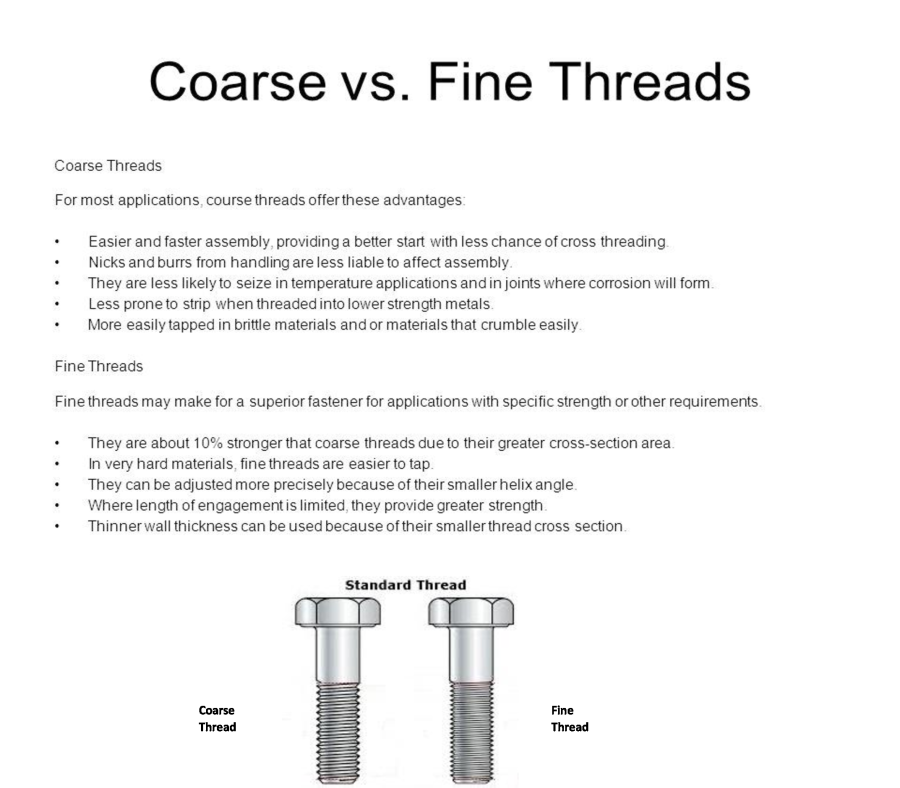
Belmey industrial supplies
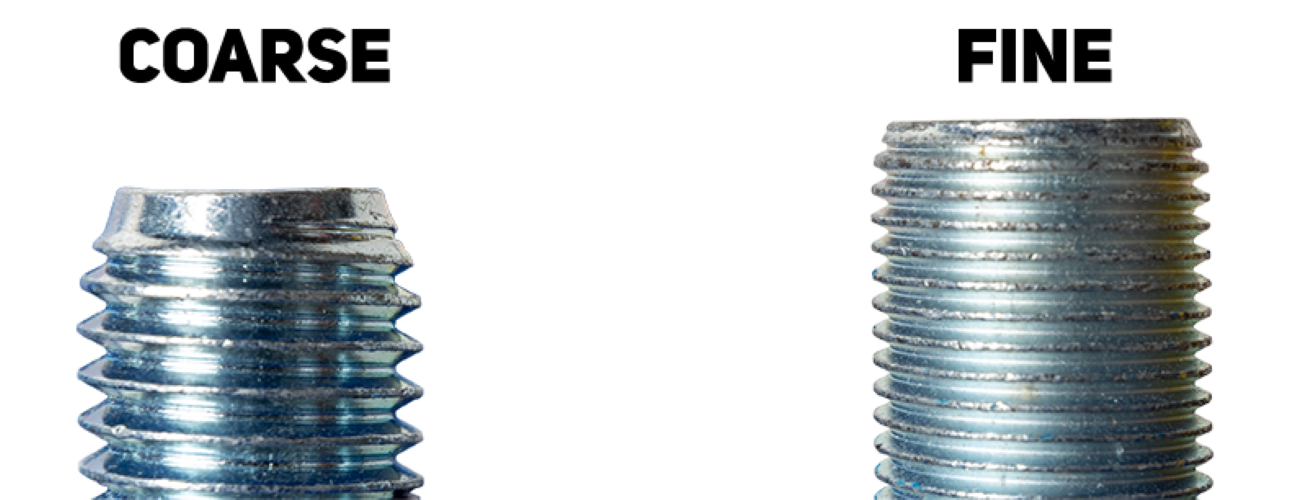
Technicals Fastener Thread Charts Fixaball Ltd. Fixings and Fasteners UK
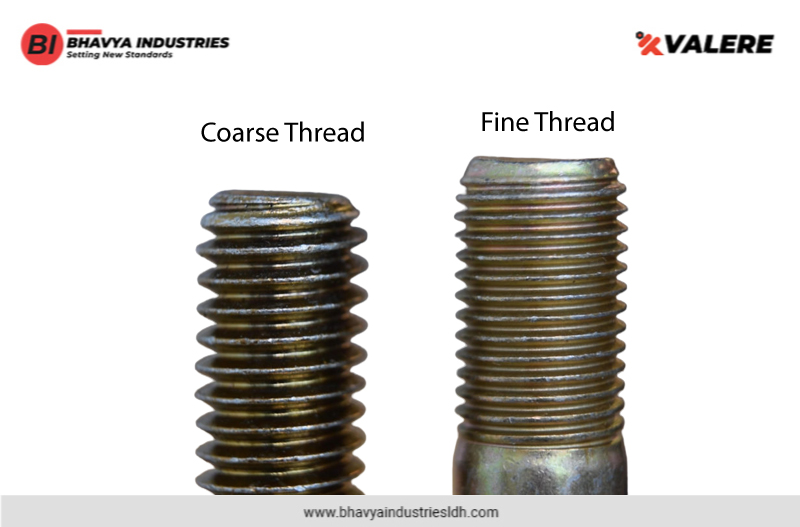
Fine Thread or Coarse Thread Fastener Which is Better?
Quilt Finishing Techniques Finish Those Quilts with Flair! The Wild

Boltmasters For All Your Fasteners

Coarse Threads vs Fine Threads Jarvis Cutting Tools
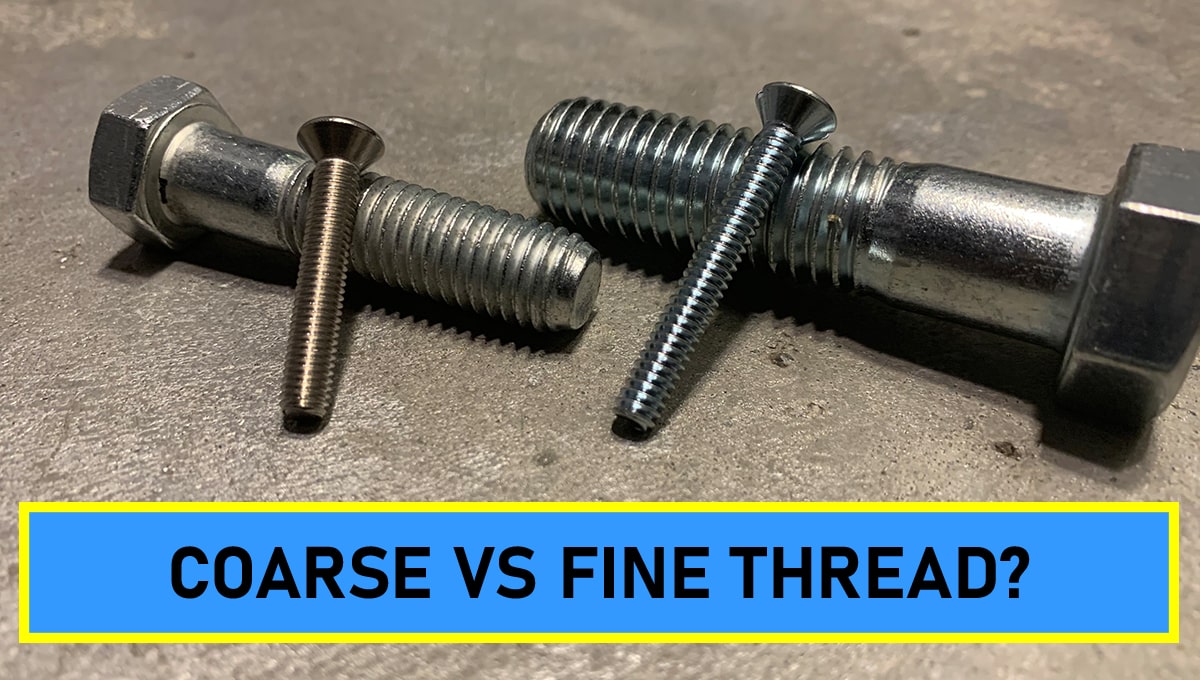
Coarse vs Fine thread? Is there a superior one? ToolHustle
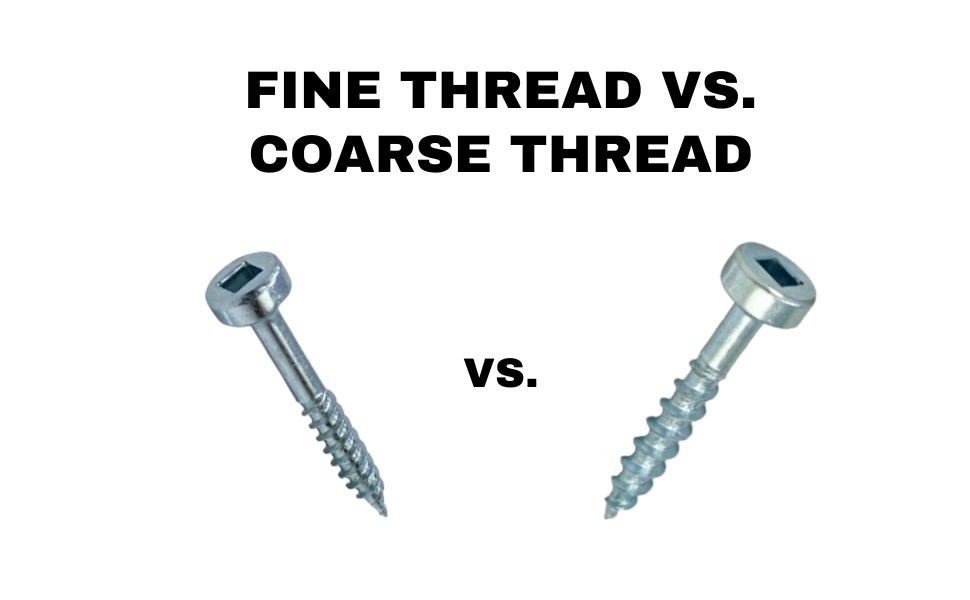
What's The Difference Between Coarse Thread and Fine Thread Screws
Live Card Pulls! Testing, Testing 1,2,3... By Una Grace When you
Coarse Thread Is Regarded For Its Clamping Power, Ease Of Assembly, Low Cost And High Shear Load Bearing Ability.
Non Usage Of The Correct Thread Design Can Lead To Financial Loss And Injury To Human Lives.
Fine Threads Are Closer Together And Smaller.
Imperial Measurements Measure The Number Of Thread Peaks Per Inch.
Related Post: