
Fall Through Courses
Fall Through Courses - It’s essential to recognize and mitigate the effects of fall through to ensure inclusive and successful academic experiences for all students. Classes that have been taken but do not meet any requirement toward your degree but may still be calculated in your gpa. Courses can be designated in fallthrough for a number of reasons. What are fall through courses? The degree audit is divided into block requirements such as degree (which are overall requirements for graduation), major (which are major specific course requirements), and fall. According to my degreeworks, yes. Computer networkingmultiple business tracksmba + concentrationsflexible classes Adding and dropping courses during add/drop until the add/drop deadline (also known as the course change deadline) in the fall and winter terms, you can modify your courseload without. Ansi compliant100% onlineosha complliantfast & affordable They don’t meet any of the major requirements, but the credits are being counted. Transfer students may have fallthrough. Classes that have been taken but do not meet any requirement toward your degree but may still be calculated in your gpa. It's most likely free electives that don't count toward your degree. The degree audit is divided into block requirements such as degree (which are overall requirements for graduation), major (which are major specific course requirements), and fall. If a student has changed majors, courses that once counted may no longer be. What is the fall through section of the degree audit? These courses do not currently have a specific place in your degree plan. Basically courses taken that don't really matter. These courses could change depending. It’s essential to recognize and mitigate the effects of fall through to ensure inclusive and successful academic experiences for all students. It's most likely free electives that don't count toward your degree. Mine is counting fall through credits i got for my ap exams and labs. In college, the term fall through encompasses a spectrum of scenarios, ranging from benign oversights to unintentional exclusion. These courses could change depending. They don’t meet any of the major requirements, but the credits are. Using the dw planner, i’m trying to figure out. Already met the requirements using. Adding and dropping courses during add/drop until the add/drop deadline (also known as the course change deadline) in the fall and winter terms, you can modify your courseload without. Usually something that doesn’t fulfill a degree requirement. Fall through courses are courses that do not meet. Ansi compliant100% onlineosha complliantfast & affordable In college, the term fall through encompasses a spectrum of scenarios, ranging from benign oversights to unintentional exclusion. The fall through courses are not being used toward specific course. Fallthrough courses are courses passed with a d or better, that are counted in your gpa but do not satisfy a specific requirement in the. What is fall through in degree works? The fall through courses are not being used toward specific course. According to my degreeworks, yes. What is the fallthrough section? Courses can be designated in fallthrough for a number of reasons. Courses will appear in the fallthrough category if they do not satisfy the requirements of your degree plan, or if you have already satisfied a requirement and your planned course is an. What are ‘fall through’ courses? Classes that have been taken but do not meet any requirement toward your degree but may. Computer networkingmultiple business tracksmba + concentrationsflexible classes. The “fall through” section of the degree audit contains courses that the student took that do not meet a specific degree. Fall through courses are courses that do not meet a specific requirement in the program you are pursuing, but which count as hours towards graduation. Already met the requirements using. According to my degreeworks, yes. Ansi compliant100% onlineosha complliantfast. What are ‘fall through’ courses? The degree audit is divided into block requirements such as degree (which are overall requirements for graduation), major (which are major specific course requirements), and fall. These courses do not currently have a specific place in your degree plan. What are my fall through courses in degreeworks? Ansi compliant100% onlineosha complliantfast & affordable This can be for many reasons: Courses will appear in the fallthrough category if they do not satisfy the requirements of your degree plan, or if you have already satisfied a requirement and your planned course is an. Basically courses taken that don't really matter. Transfer students may have fallthrough. Using the dw planner, i’m trying to figure out. What are fall through courses? What is the fall through section of the degree audit? The “fall through” section of the degree audit contains courses that the student took that do not meet a specific degree. Ansi compliant100% onlineosha complliantfast & affordable If a student has changed majors, courses that once counted may no longer be. Fall through courses are courses that do not meet a specific requirement in the program you are pursuing, but which count as hours towards graduation. Basically courses taken that don't really matter. Mine is counting fall through credits i got for my ap exams and labs. What are ‘fall through’ courses? What are my fall through courses in degreeworks? What is the fall through section of the degree audit? These courses do not currently have a specific place in your degree plan. According to my degreeworks, yes. The “fall through” section of the degree audit contains courses that the student took that do not meet a specific degree. What is the fallthrough section? What is fall through in degree works? Using the dw planner, i’m trying to figure out. In the audit section of degree works there is a section called “elective” but in the planner section it’s called “fallthrough course”. Already met the requirements using. They don’t meet any of the major requirements, but the credits are being counted. Fallthrough courses are courses passed with a d or better, that are counted in your gpa but do not satisfy a specific requirement in the current audit. These courses could change depending. This can be for many reasons: If a student has changed majors, courses that once counted may no longer be. The degree audit is divided into block requirements such as degree (which are overall requirements for graduation), major (which are major specific course requirements), and fall. Courses will appear in the fallthrough category if they do not satisfy the requirements of your degree plan, or if you have already satisfied a requirement and your planned course is an.
Woman Falls into Water at Crazy Obstacle Course Race Editorial Stock
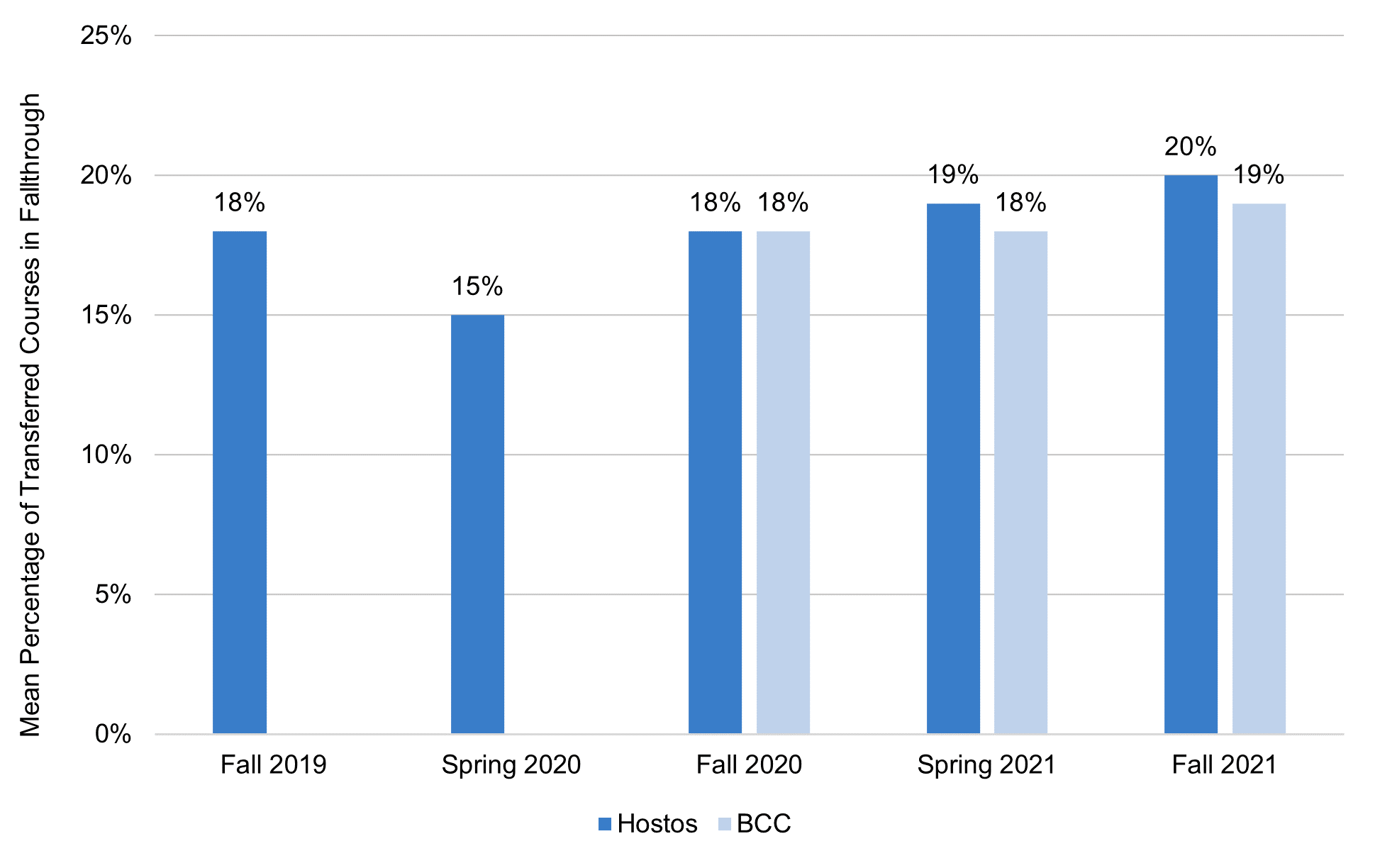
Archiving Degree Audit Data to Measure and Reduce Lost Transfer Credit

Degree Works for Graduate Students ppt download

Fall Golf 5 Things Every Golfer Should Know

Fall Prevention Program Helps Build Confidence For Some Seniors CBS

obstacle course challenges Family Reunion Helper

(PDF) Falling Through Class
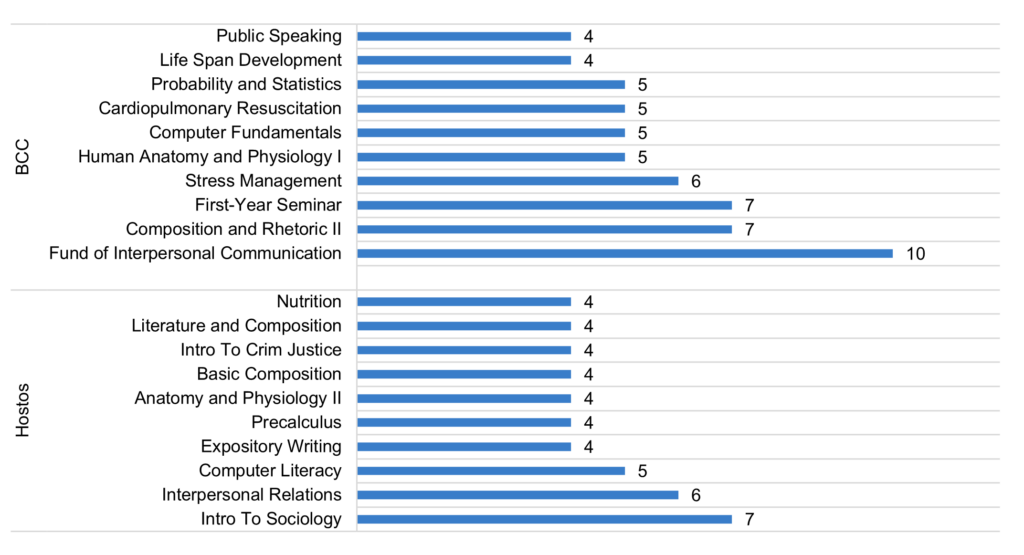
Archiving Degree Audit Data to Measure and Reduce Lost Transfer Credit

Regretting your gap year? Start taking courses this fall through Ivy

News Doral College Fall 2023 Associate in Arts Course Offerings
Basically Courses Taken That Don't Really Matter.
Fall Through Courses Are Courses That Do Not Meet A Specific Requirement In The Program You Are Pursuing, But Still Count As Hours/Credits Towards.
Classes That Have Been Taken But Do Not Meet Any Requirement Toward Your Degree But May Still Be Calculated In Your Gpa.
Fall Through Indicates Courses That Have Not Been Used In The General Education Block Or Program Of Study Block.
Related Post: