
General Elective Courses
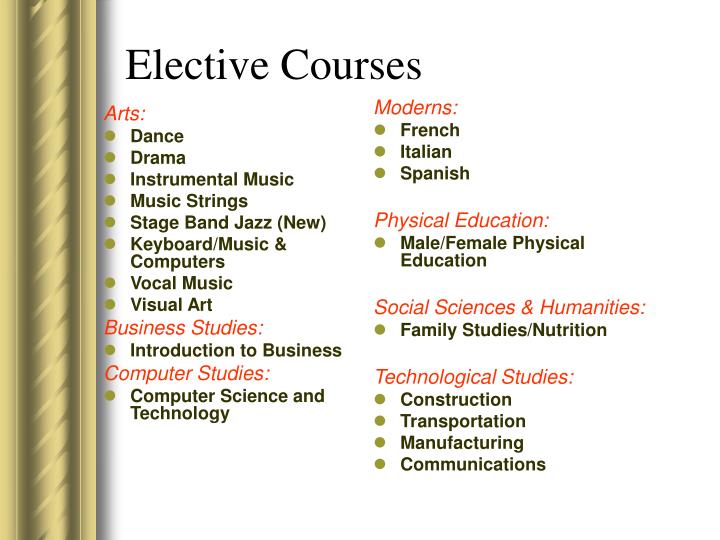
General Elective Courses - Most high schools offer electives that cover a wide variety of topics, so you're sure to find some that interest you! Tech corecomputer networkingmba + concentrationssoftware development Electives are basically all of the “other courses”—beyond the core solid academic ones—that your school may offer. What elective courses should i take? What is a general elective course? Because of the various transfer requirements at colleges. Las gen ed courses challenge students to recognize the value in learning diverse content, perspectives, methodologies, and research strategies from across many fields of study, from. Typical college degree programs include both required and elective courses. Most general education requirements include some. These are courses that fulfill general education requirements, such as humanities, social sciences, or foreign languages. Most high schools offer electives that cover a wide variety of topics, so you're sure to find some that interest you! General electives are the “open” space in your major that allows you to reach the required 120 total hours with courses of your choice. The following are the general education courses listed by degree type and categories. Typical college degree programs include both required and elective courses. Electives are basically all of the “other courses”—beyond the core solid academic ones—that your school may offer. Most general education requirements include some. For information about general education requirements, visit the general education requirements. Collin college provides general academic courses and electives for students who plan to transfer to a college or university. General education is an important part of every undergraduate degree program. These are courses that fulfill general education requirements, such as humanities, social sciences, or foreign languages. General education electives are classes that fall within specific academic discipline areas and may be used to fulfill the “general education elective” requirements in associate degrees and. There are three ways to. A core course is a course required by your institution, and every student must take it in order to obtain a degree. Here are 5 compelling ways taking. Collin college provides general academic courses and electives for students who plan to transfer to a college or university. Tech corecomputer networkingmba + concentrationssoftware development Electives are courses that count toward your credits for graduation, but are not requirements for your particular degree of study. Course # description component units concentration area, course type (any preqs or pre/coreqs beyond biol. Each degree program that uses this. General education electives are classes that fall within specific academic discipline areas and may be used to fulfill the “general education elective” requirements in associate degrees and. What elective courses should i take? General education is an important part of every undergraduate degree program. These additional courses are called general electives and can be. Course # description component units concentration area, course type (any preqs or pre/coreqs beyond biol 210/211, with grade of c or better). Here are 5 compelling ways taking elective classes can benefit you. Las gen ed courses challenge students to recognize the value in learning diverse content, perspectives, methodologies, and research strategies from across many fields of study, from. For. This list was created by compiling the elective options from numerous high. These additional courses are called general electives and can be anything not satisfying a general education or major requirement, including courses used for secondary majors, minors,. These are courses that fulfill general education requirements, such as humanities, social sciences, or foreign languages. Typical college degree programs include both. Most high schools offer electives that cover a wide variety of topics, so you're sure to find some that interest you! Degrees earned in american college and universities generally include three categories of courses: General education is an important part of every undergraduate degree program. A core course is a course required by your institution, and every student must take. Transfer electives may be filled by any general education elective or other transferable courses from an approved, limited listing. General electives are the “open” space in your major that allows you to reach the required 120 total hours with courses of your choice. A core course is a course required by your institution, and every student must take it in. Las gen ed courses challenge students to recognize the value in learning diverse content, perspectives, methodologies, and research strategies from across many fields of study, from. Course # description component units concentration area, course type (any preqs or pre/coreqs beyond biol 210/211, with grade of c or better). For information about general education requirements, visit the general education requirements. These. Course # description component units concentration area, course type (any preqs or pre/coreqs beyond biol 210/211, with grade of c or better). A core course is a course required by your institution, and every student must take it in order to obtain a degree. These are courses that fulfill general education requirements, such as humanities, social sciences, or foreign languages.. Tech corecomputer networkingmba + concentrationssoftware development What is a general elective course? General electives are the “open” space in your major that allows you to reach the required 120 total hours with courses of your choice. For information about general education requirements, visit the general education requirements. This list was created by compiling the elective options from numerous high. General education electives are classes that fall within specific academic discipline areas and may be used to fulfill the “general education elective” requirements in associate degrees and. Most general education requirements include some. Tech corecomputer networkingmba + concentrationssoftware development Any courses offered at your college or. Tech corecomputer networkingmba + concentrationssoftware development There are three ways to. Electives are basically all of the “other courses”—beyond the core solid academic ones—that your school may offer. Course # description component units concentration area, course type (any preqs or pre/coreqs beyond biol 210/211, with grade of c or better). General electives are the “open” space in your major that allows you to reach the required 120 total hours with courses of your choice. Book a free zoom callsafe & secure programsopen to all nationalities Electives are courses that count toward your credits for graduation, but are not requirements for your particular degree of study. Transfer electives may be filled by any general education elective or other transferable courses from an approved, limited listing. This list was created by compiling the elective options from numerous high. Collin college provides general academic courses and electives for students who plan to transfer to a college or university. General education is an important part of every undergraduate degree program. These additional courses are called general electives and can be anything not satisfying a general education or major requirement, including courses used for secondary majors, minors,.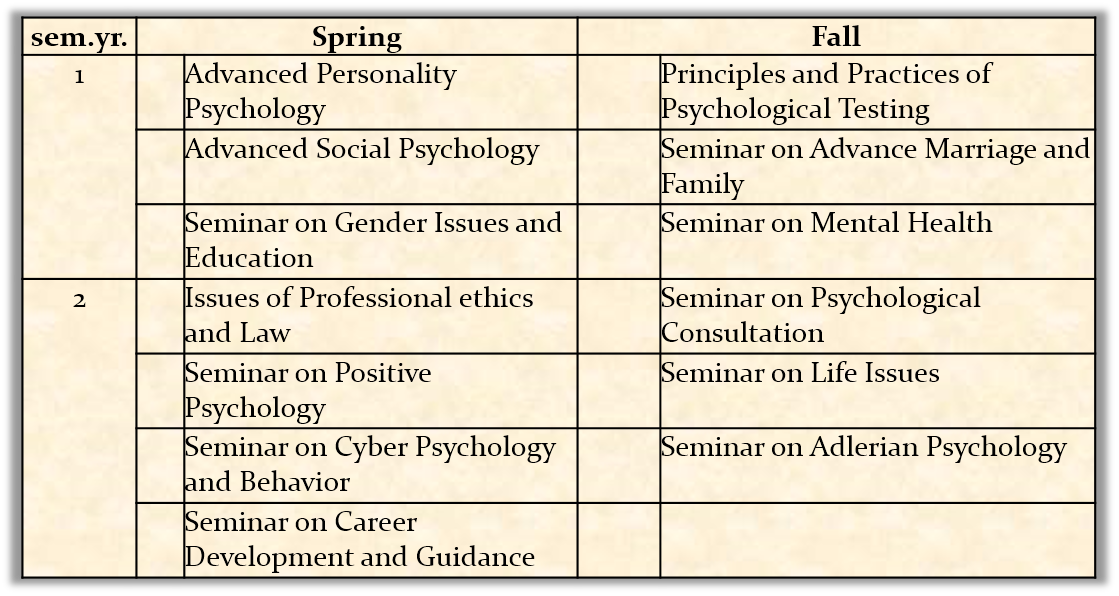
InService Master’s Program
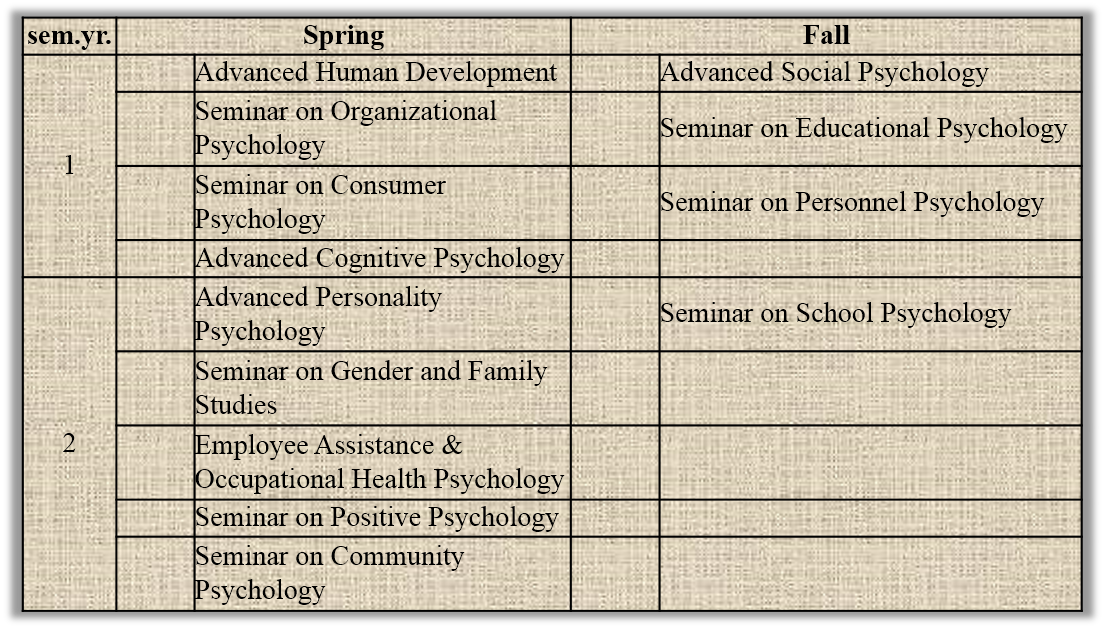
Master’s program

Principles of Microeconomics 1 General Elective Course revision
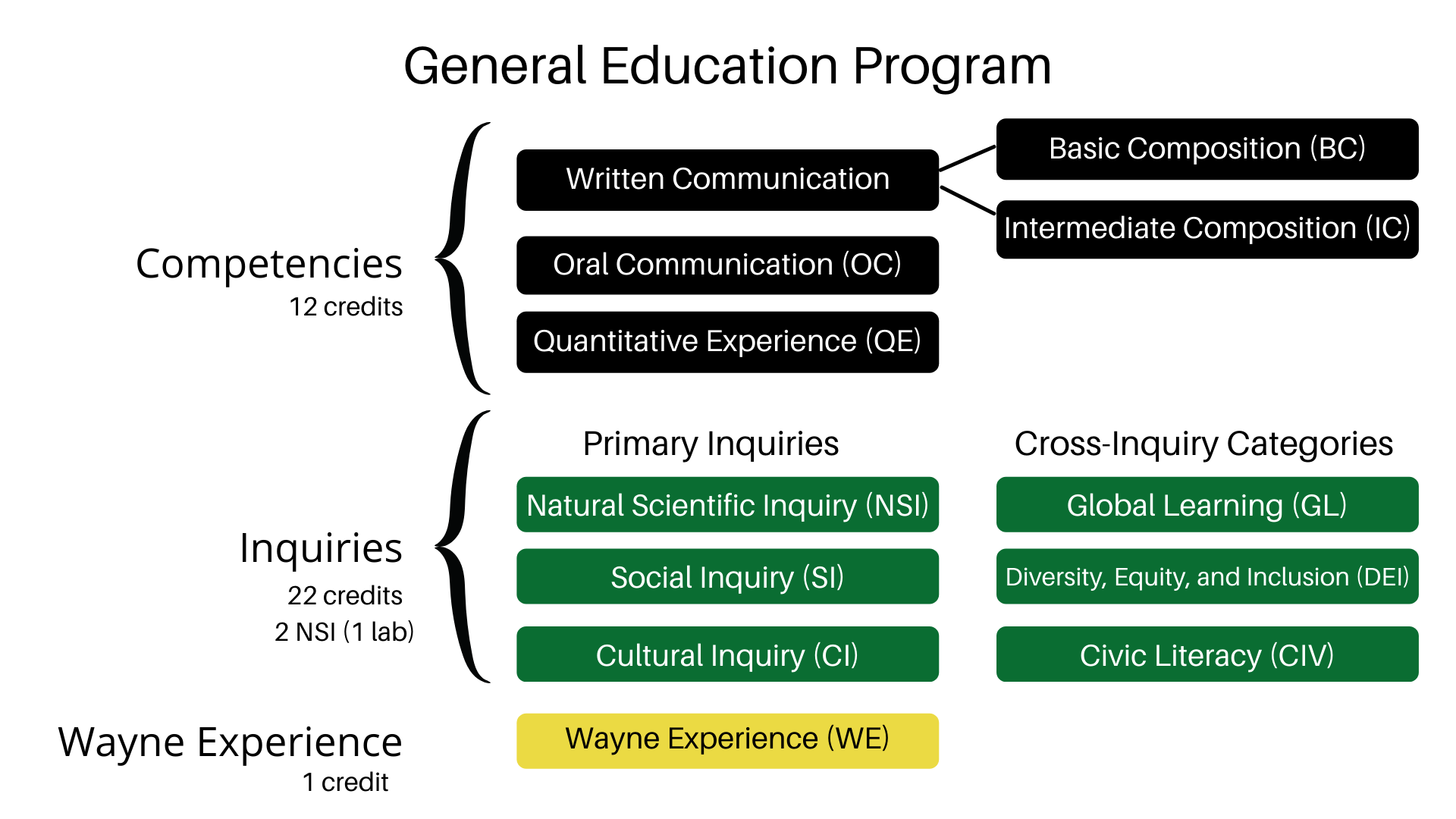
General Education Wayne State University
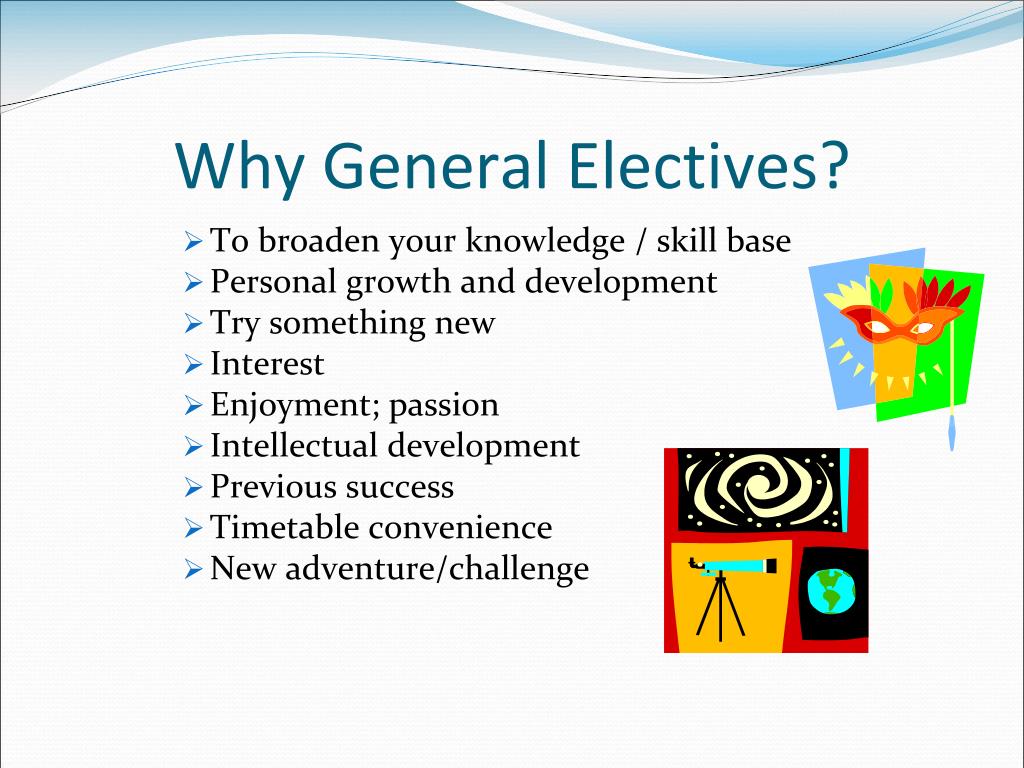
PPT Home page unisa.au/eds/ PowerPoint Presentation, free download

General Electives and your class schedule YouTube
PPT Parent Course Selection Information Night For Grade 10 seh.ycdsb

Why Are Elective Classes Important Sparkhouse
About GCLC

First year D.U Course What is General Elective/SEC/VAC/AEC?? YouTube
What Is A General Elective Course?
Each Degree Program That Uses This.
Most High Schools Offer Electives That Cover A Wide Variety Of Topics, So You're Sure To Find Some That Interest You!
Because Of The Various Transfer Requirements At Colleges.
Related Post: