
Of Course I Do
Of Course I Do - It implies confidence and a sense of obviousness. Use “of course” to point out something that should be clear or expected: It is a potent instrument for. It is used to express. When they’re made up of two or more words (like “of course”), they’re called compound conjunctive adverbs or conjunctive adverbial phrases. Expressing agreement, affirmation, or acknowledgment, often used to emphasize certainty or confidence in one's statement. Of course you are having trouble finding your car. It can also be used to politely refuse something, especially when you’re explaining why you can’t do something. “you can of course borrow my car.” expressing the obvious: Check out the pronunciation, synonyms and grammar. Of course you are having trouble finding your car. Use “of course” to point out something that should be clear or expected: See examples of of course as an introductory clause, a parenthetical el… When they’re made up of two or more words (like “of course”), they’re called compound conjunctive adverbs or conjunctive adverbial phrases. It implies confidence and a sense of obviousness. “you can of course borrow my car.” expressing the obvious: Learn how to use of course in different contexts and situations, such as referring to obvious facts, giving permission, or expressing agreement. Browse the use examples 'of course i do!' in the great english corpus. In english, “ of course ” is an idiomatic expression conveying agreement, certainty, or something taken for granted. Both of course i and i of course are correct, but they are used in different contexts. See examples of of course as an introductory clause, a parenthetical el… I have trouble finding my. Of course is a versatile adverbial phrase that can be used in numerous ways, including: If a uses “having” (present continuous?), then b's answer should be in the same tense. When they’re made up of two or more words (like “of course”), they’re. Find out when to use it to express obviousness, agreement, or permission, and when to avoid it. Browse the use examples 'of course i do!' in the great english corpus. The other form would be: In english, “ of course ” is an idiomatic expression conveying agreement, certainty, or something taken for granted. “you can of course borrow my car.”. Of course you are having trouble finding your car. She does not enjoy politicking; Find out when to use it to express obviousness, agreement, or permission, and when to avoid it. It is used to express. I have trouble finding my. The phrase “of course” is a standard english usage that signifies agreement or the obviousness of a fact. The other form would be: If a uses “having” (present continuous?), then b's answer should be in the same tense. Of course you are having trouble finding your car. Both of course i and i of course are correct, but they are. Learn the definition of 'of course i do!'. Expressing agreement, affirmation, or acknowledgment, often used to emphasize certainty or confidence in one's statement. When we say “of course” in clear communication it is a statement of absolute certainty or saying that something is evident or natural. Did you tell them, though, how the thing was? i did, of course. It. Check out the pronunciation, synonyms and grammar. Expressing agreement, affirmation, or acknowledgment, often used to emphasize certainty or confidence in one's statement. “of course, i’d be happy to help.” to indicate something is obvious or expected: Use “of course” to point out something that should be clear or expected: Of course isn’t just for saying “yes”; Of course i'll do it! Expressing agreement, affirmation, or acknowledgment, often used to emphasize certainty or confidence in one's statement. Use “of course” to point out something that should be clear or expected: If a uses “having” (present continuous?), then b's answer should be in the same tense. Avoid common mistakes and misunderstandings. Of course i is the more common and natural word order when affirming or agreeing. It can also be used to politely refuse something, especially when you’re explaining why you can’t do something. It is a potent instrument for. Use “of course” to point out something that should be clear or expected: And you set the spaniards right about pouldearg?. It can also be used to politely refuse something, especially when you’re explaining why you can’t do something. “of course, i’d be happy to help.” to indicate something is obvious or expected: The phrase “of course” is a standard english usage that signifies agreement or the obviousness of a fact. Learn how to use commas before and after of course. “you can of course borrow my car.” expressing the obvious: “of course, i’d be happy to help.” to indicate something is obvious or expected: She once told an interviewer, if i have to do it, of course i'll do it. Of course i'll do it! She does not enjoy politicking; Learn the definition of 'of course i do!'. Of course i'll do it! She once told an interviewer, if i have to do it, of course i'll do it. It is a potent instrument for. Of course you are having trouble finding your car. Did you tell them, though, how the thing was? i did, of course. She does not enjoy politicking; “you can of course borrow my car.” expressing the obvious: It implies confidence and a sense of obviousness. Learn how to use of course in different contexts and situations, such as referring to obvious facts, giving permission, or expressing agreement. What do “of course” and “ofcourse” mean? Find out when to use it to express obviousness, agreement, or permission, and when to avoid it. Both of course i and i of course are correct, but they are used in different contexts. It can also be used to politely refuse something, especially when you’re explaining why you can’t do something. If a uses “having” (present continuous?), then b's answer should be in the same tense. Use “of course” to point out something that should be clear or expected: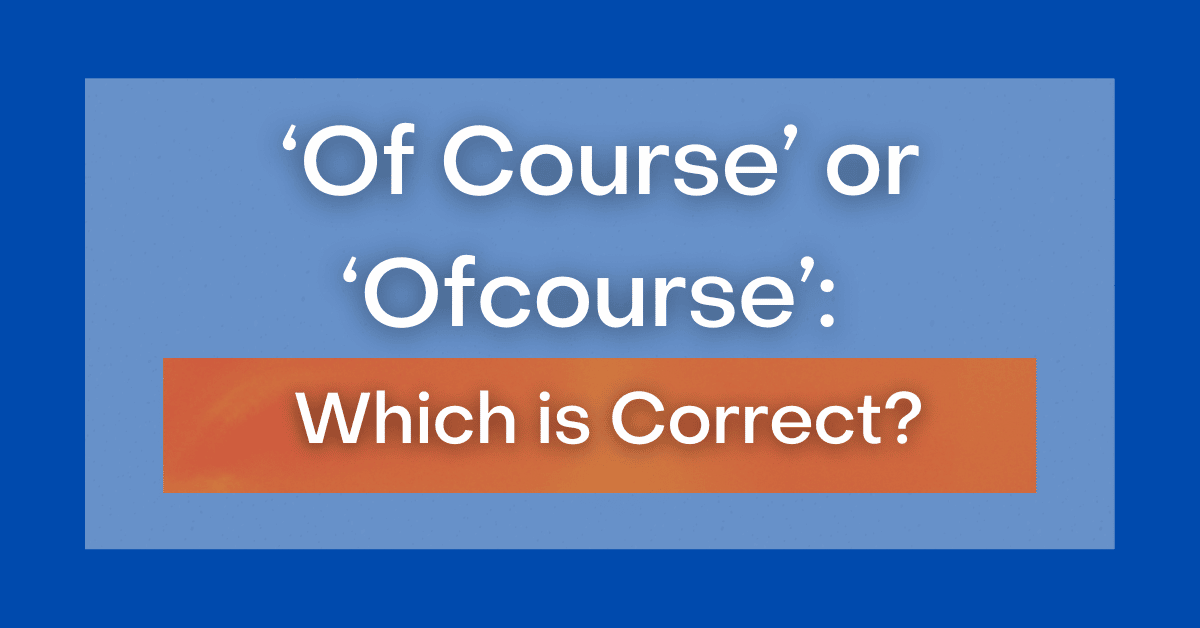
‘Of Course’ or ‘Ofcourse’ Which is Correct?
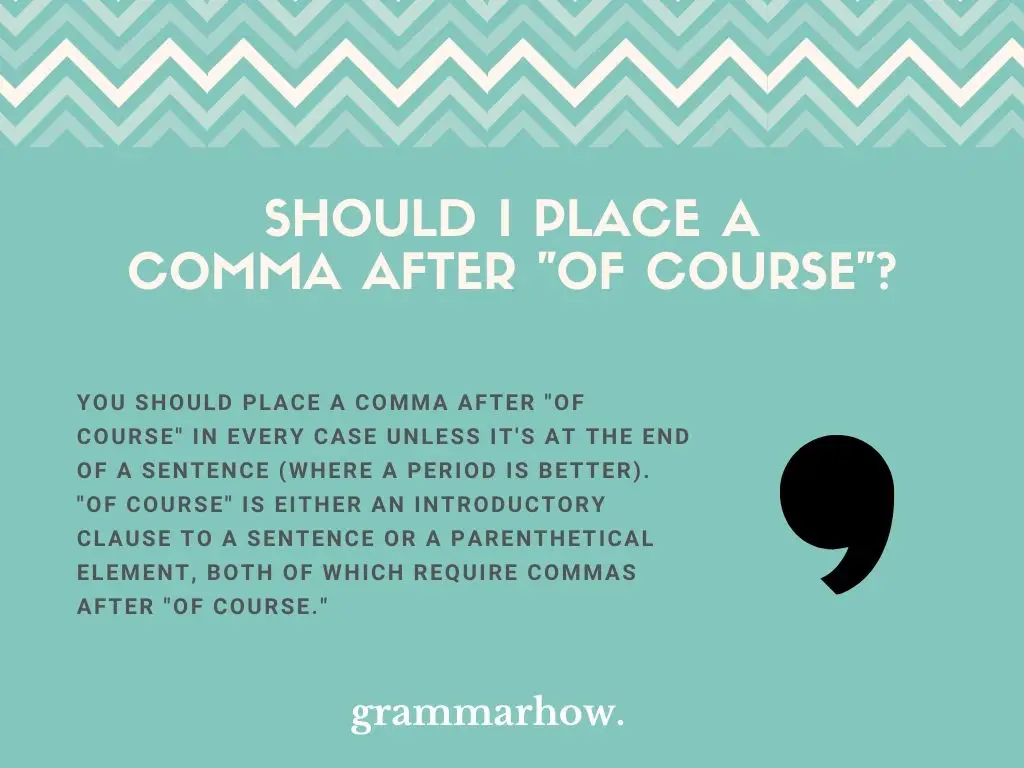
"Of Course" Easy Comma Guide + Examples (All Variations)

Of course or ofcourse which form is correct? Difference…

Of Course I Do Meme
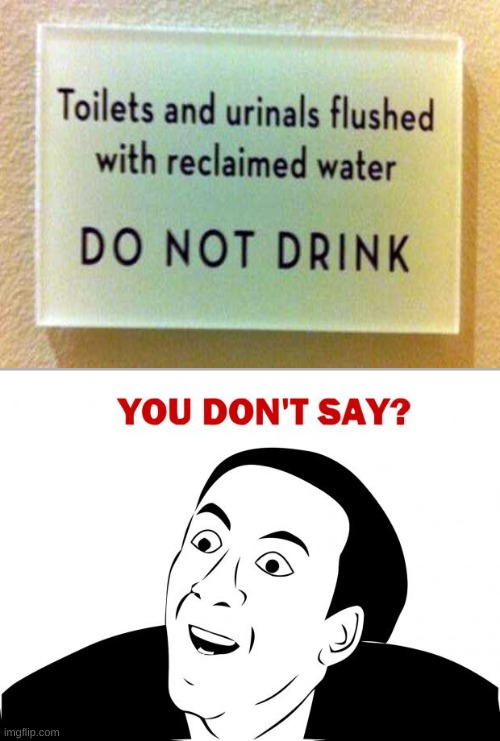
Of Course I Do Meme

of course you do I knew you would Willy Wonka Sarcasm Meme Meme Generator

Of Course I Do Meme
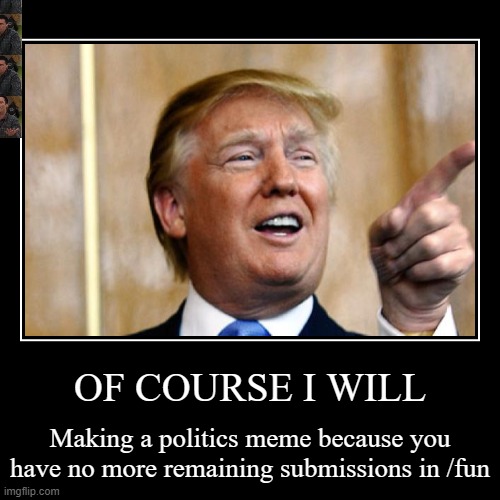
Of Course I Do Meme

Of Course I Do Meme
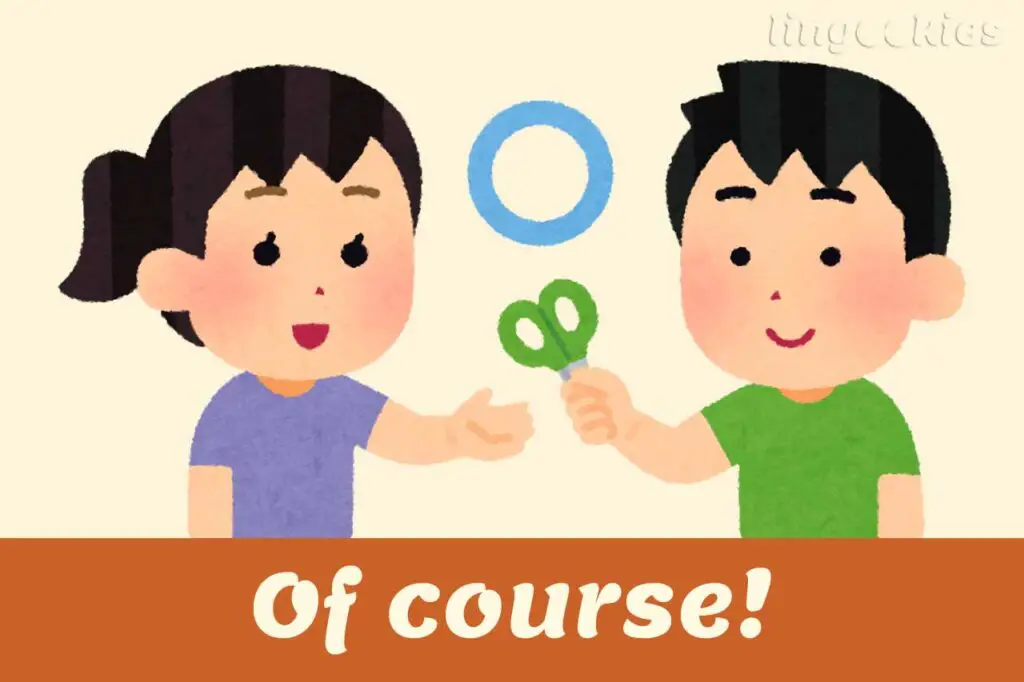
Of course!
The Phrase “Of Course” Is A Standard English Usage That Signifies Agreement Or The Obviousness Of A Fact.
Of Course Is A Versatile Adverbial Phrase That Can Be Used In Numerous Ways, Including:
The Other Form Would Be:
Of Course Isn’t Just For Saying “Yes”;
Related Post: