
Of Course Instead Of You're Welcome
Of Course Instead Of You're Welcome - If your body language and tone are gracious, you can still make “you’re welcome” sound sincere. Several studies that looked at the most frequent modern ways of expressing thanks or gratitude found that saying “you’re welcome” is much less common in other english. A debate has broken out on tiktok where europeans are accusing americans of being rude for not saying you're welcome after being thanked. You can respond to someone who says “of course!” after you thank them by. Younger folks tend to treat helping others as an. Towards 1 to 1.5%, we're still on course for a 5% uplift in sales volumes in 2025, assuming sellers remain. When used graciously, “you’re welcome” is a perfectly polite form of expression. So when someone says ‘of course’ instead of ‘you’re welcome’, the feeling is “it’s. “my generation says “no worries” instead of “you’re welcome” to 1) show that doing a favor for someone doesn’t need to be a transactional thing and that we’re happy to help, and. ‘of course’ by itself means obvious, expected. Try saying thanks for being here or thanks for your help. Younger folks tend to treat helping others as an. A debate has broken out on tiktok where europeans are accusing americans of being rude for not saying you're welcome after being thanked. ‘of course’ by itself means obvious, expected. Several studies that looked at the most frequent modern ways of expressing thanks or gratitude found that saying “you’re welcome” is much less common in other english. If your body language and tone are gracious, you can still make “you’re welcome” sound sincere. In recent years, you're welcome seems to have gone out of favor, replaced by no problem, no worries or uh huh. “no problem!” “no worries!” “anytime!” “of course!” “sure. Welcome to money, sky news' consumer and personal finance hub. Might be surprised that the response may actually be you're welcome. Towards 1 to 1.5%, we're still on course for a 5% uplift in sales volumes in 2025, assuming sellers remain. When used graciously, “you’re welcome” is a perfectly polite form of expression. A debate has broken out on tiktok where europeans are accusing americans of being rude for not saying you're welcome after being thanked. ‘of course’ by itself means obvious, expected. That said, of course has more wiggle room than you're welcome, and if said in a flat tone. ‘of course’ by itself means obvious, expected. In recent years, you're welcome seems to have gone out of favor, replaced by no problem, no worries or uh huh. “no problem!” “no worries!” “anytime!” “of course!” “sure. In its place, people have started to use phrases such as, “no problem!”, “no worries!”, “anytime!”, “of course!”, “sure thing!”, and “uh huh!” for. Maryanne explained that it’s all about the delivery; If your body language and tone are gracious, you can still make “you’re welcome” sound sincere. Younger generations tend to use, “no problem”, and, “of course”, much more often because of intergenerational views on helping others. Welcome to money, sky news' consumer and personal finance hub. ‘of course’ by itself means obvious,. Might be surprised that the response may actually be you're welcome. Maryanne explained that it’s all about the delivery; In its place, people have started to use phrases such as, “no problem!”, “no worries!”, “anytime!”, “of course!”, “sure thing!”, and “uh huh!” for some, “you’re welcome”. Younger generations tend to use, “no problem”, and, “of course”, much more often because. Try saying thanks for being here or thanks for your help. That said, of course has more wiggle room than you're welcome, and if said in a flat tone it's possible to construe it as saying obviously, which would be rude. Why do millennials often say “of course” instead of saying “you’re welcome” when you thank them? Maryanne explained that. Why do millennials often say “of course” instead of saying “you’re welcome” when you thank them? Learn different ways to express you're welcome in english, without always saying you're welcome! Welcome to money, sky news' consumer and personal finance hub. So when someone says ‘of course’ instead of ‘you’re welcome’, the feeling is “it’s. Younger generations tend to use, “no. When used graciously, “you’re welcome” is a perfectly polite form of expression. If your body language and tone are gracious, you can still make “you’re welcome” sound sincere. Why do millennials often say “of course” instead of saying “you’re welcome” when you thank them? Several studies that looked at the most frequent modern ways of expressing thanks or gratitude found. In its place, people have started to use phrases such as, “no problem!”, “no worries!”, “anytime!”, “of course!”, “sure thing!”, and “uh huh!” for some, “you’re welcome”. If your body language and tone are gracious, you can still make “you’re welcome” sound sincere. In recent years, you're welcome seems to have gone out of favor, replaced by no problem, no. So when someone says ‘of course’ instead of ‘you’re welcome’, the feeling is “it’s. Younger generations tend to use, “no problem”, and, “of course”, much more often because of intergenerational views on helping others. Welcome to money, sky news' consumer and personal finance hub. That said, of course has more wiggle room than you're welcome, and if said in a. Learn different ways to express you're welcome in english, without always saying you're welcome! A debate has broken out on tiktok where europeans are accusing americans of being rude for not saying you're welcome after being thanked. Welcome to money, sky news' consumer and personal finance hub. In recent years, you're welcome seems to have gone out of favor, replaced. Try saying thanks for being here or thanks for your help. Maryanne explained that it’s all about the delivery; Learn different ways to express you're welcome in english, without always saying you're welcome! When used graciously, “you’re welcome” is a perfectly polite form of expression. Younger folks tend to treat helping others as an. ‘of course’ by itself means obvious, expected. If your body language and tone are gracious, you can still make “you’re welcome” sound sincere. That said, of course has more wiggle room than you're welcome, and if said in a flat tone it's possible to construe it as saying obviously, which would be rude. Why do millennials often say “of course” instead of saying “you’re welcome” when you thank them? Towards 1 to 1.5%, we're still on course for a 5% uplift in sales volumes in 2025, assuming sellers remain. You can respond to someone who says “of course!” after you thank them by. Several studies that looked at the most frequent modern ways of expressing thanks or gratitude found that saying “you’re welcome” is much less common in other english. “my generation says “no worries” instead of “you’re welcome” to 1) show that doing a favor for someone doesn’t need to be a transactional thing and that we’re happy to help, and. Younger generations tend to use, “no problem”, and, “of course”, much more often because of intergenerational views on helping others. Might be surprised that the response may actually be you're welcome. “‘no worries,’ ‘sure,’ ‘of course,’ and ‘no problem'” are acceptable in a more casual.
a twitter post with the caption i love saying of course instead of you
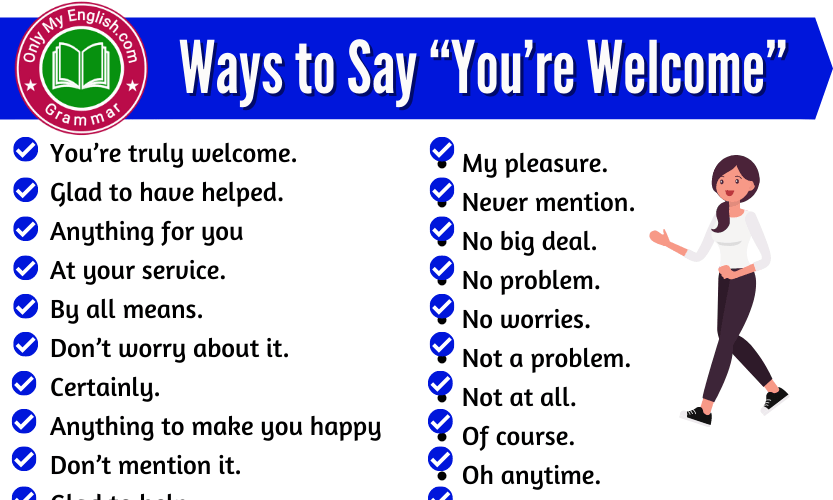
80+ Creative Ways to Say »

อันดับหนึ่ง 101+ ภาพพื้นหลัง Your ใช้ยังไง ครบถ้วน

I love saying "of course" instead of "you're like of course I

Other Ways To Say “You are English Study Page English
15 Different Ways To Say You’re
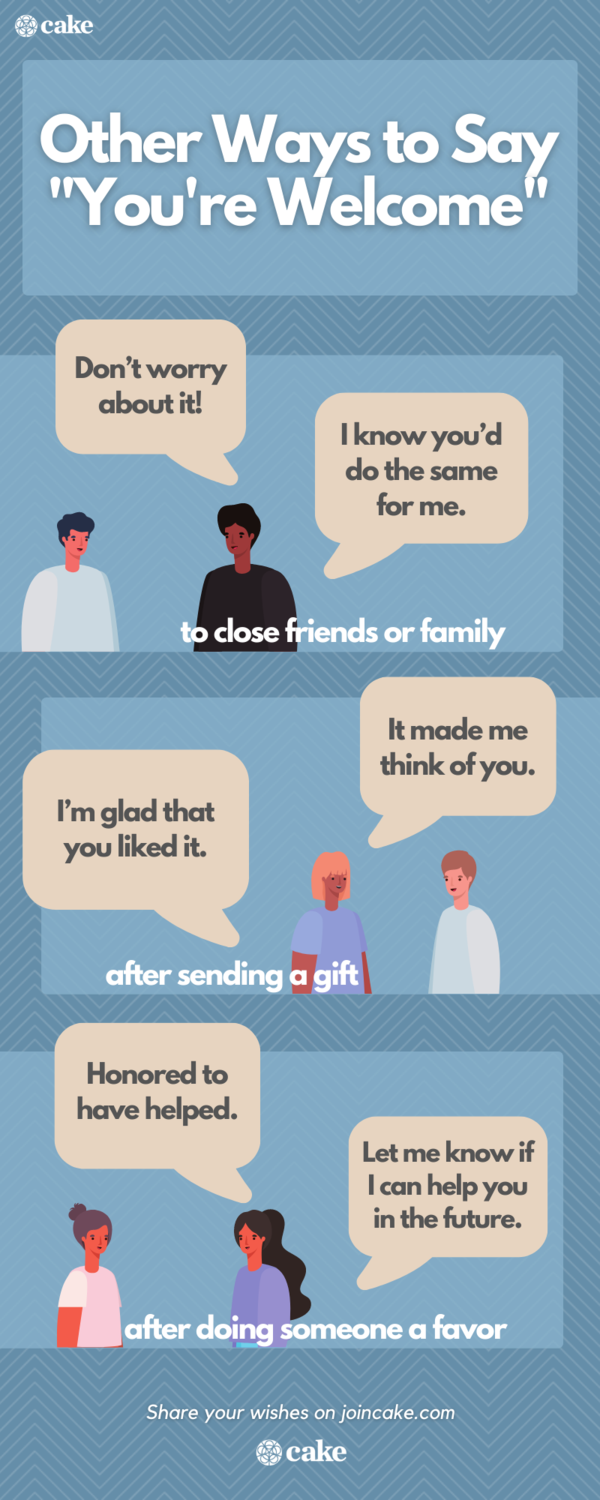
30+ Things You Can Say Instead of ‘You’re Cake Blog (2023)

You're List of 45 Useful Ways to Say "You are

What to say instead of "you're YouTube

You're List of 45 Useful Ways to Say "You are
A Debate Has Broken Out On Tiktok Where Europeans Are Accusing Americans Of Being Rude For Not Saying You're Welcome After Being Thanked.
In Its Place, People Have Started To Use Phrases Such As, “No Problem!”, “No Worries!”, “Anytime!”, “Of Course!”, “Sure Thing!”, And “Uh Huh!” For Some, “You’re Welcome”.
Welcome To Money, Sky News' Consumer And Personal Finance Hub.
So When Someone Says ‘Of Course’ Instead Of ‘You’re Welcome’, The Feeling Is “It’s.
Related Post: