Par For The Course Origin
Par For The Course Origin - If par numbers for all the holes on a course are added up, you find the par for. Par for the course definition: Learn the meaning and history of par for the course, a golfing term and an idiom that means average or normal. The term “par” was first used in the late 1880s to mean “the number of strokes which a scratch player should need for a hole or for a course,” the oed says. ( idiomatic) to be expected; Par for the course means something that is normal or expected in any given situation. Find out the origin of the phrase. If something is par for the course, it is what you expected it would be. Learn how to use the expression par for the course to describe something with an average performance or aligned with your expectations. What should be expected because of past experience: If par numbers for all the holes on a course are added up, you find the par for. The origin of “par for the course” the idiom “par for the course” originated in the game of golf. Learn the meaning and origin of the idiom par for the course, which means something that is normal or expected for the situation. However, its origins and historical context. An average or normal amount; Originally a phrase used in golf. Par for the course means something that is normal or expected in any given situation. If it is above par, it is better, and if it is below par, it is worse. Ironically, completing a golf course in par (or even net par) is actually unusually good for most golfers and is not a typical result. The term “par” was first used in the late 1880s to mean “the number of strokes which a scratch player should need for a hole or for a course,” the oed says. The origin of “par for the course” the idiom “par for the course” originated in the game of golf. This term comes from golf, where it refers to the number of strokes needed by an expert golfer to finish the entire course. Learn the meaning and origin of the idiom par for the course, which means something that is normal. Find out the origin of the phrase. Learn how to use the expression par for the course to describe something with an average performance or aligned with your expectations. If something is par for the course, it is what you expected it would be. The sports field has inspired many popular expressions today, including par for the course and a. For example, i missed three questions, but that's par for the course. See how to use it in different contexts and synonyms for. The term “par” was first used in the late 1880s to mean “the number of strokes which a scratch player should need for a hole or for a course,” the oed says. Originally a phrase used in. Its figurative use for other kinds of expectation dates from the second. The sports field has inspired many popular expressions today, including par for the course and a run for your money. here are the unique origin stories of three. An average or normal amount; However, its origins and historical context. If par numbers for all the holes on a. If par numbers for all the holes on a course are added up, you find the par for. Learn the meaning and history of par for the course, a golfing term and an idiom that means average or normal. ( idiomatic) to be expected; The phrase comes from the game of golf, where “par” is the number of strokes a.. If par numbers for all the holes on a course are added up, you find the par for. ( idiomatic) to be expected; Par for the course means something that is normal or expected in any given situation. What should be expected because of past experience: From golf, in which par is the number of shots a good player would. The idiom “par for the course” is a common expression used in everyday conversation to describe something that is considered normal or expected. If something is par for the course, it is what you expected it would be. Find out the origin of the phrase. What does par for the course mean? Learn the meaning and history of par for. ( idiomatic) to be expected; Learn the meaning and history of par for the course, a golfing term and an idiom that means average or normal. An average or normal amount; See how to use it in sentences and synonyms for this expression. This term comes from golf, where it refers to the number of strokes needed by an expert. This term comes from golf, where it refers to the number of strokes needed by an expert golfer to finish the entire course. Learn the meaning and history of par for the course, a golfing term and an idiom that means average or normal. The term “par” was first used in the late 1880s to mean “the number of strokes. In golf, “par” is the number of strokes that a skilled golfer is expected to take to complete a hole. Find out why par in golf is different from par in other contexts and how to. Originally a phrase used in golf. The idiom “par for the course” is a common expression used in everyday conversation to describe something that. Just what one might expect. An average or normal amount; The idiom “par for the course” is a common expression used in everyday conversation to describe something that is considered normal or expected. However, its origins and historical context. The sports field has inspired many popular expressions today, including par for the course and a run for your money. here are the unique origin stories of three. The phrase comes from the game of golf, where “par” is the number of strokes a. See how to use it in different contexts and synonyms for. Find out the origin of the phrase. What should be expected because of past experience: If it is above par, it is better, and if it is below par, it is worse. In golf, “par” is the number of strokes that a skilled golfer is expected to take to complete a hole. Originally a phrase used in golf. The term “par” was first used in the late 1880s to mean “the number of strokes which a scratch player should need for a hole or for a course,” the oed says. For example, i missed three questions, but that's par for the course. This term comes from golf, where it refers to the number of. From golf, in which par is the number of shots a good player would be expected to take to complete a hole.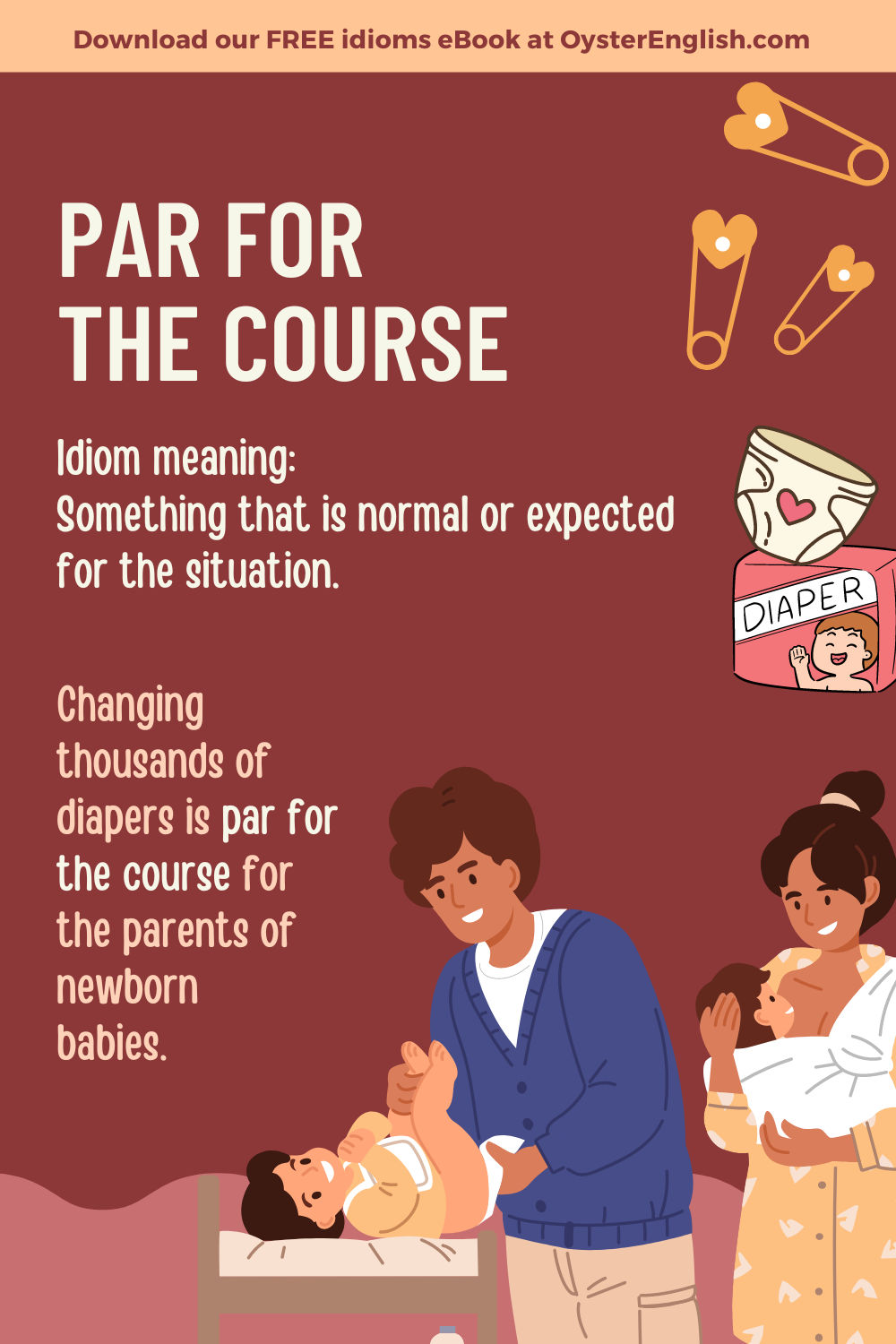
Idiom Par for the course (meaning & examples)

"Par For the Course" Meaning, Origin and Examples • 7ESL

Par for the Course (TV Series) IMDb

Par for the Course Meaning and Origin
par for the course meaning, origin, example, sentence, history
par for the course meaning, origin, example, sentence, history

Par for the Course Meaning and Origin
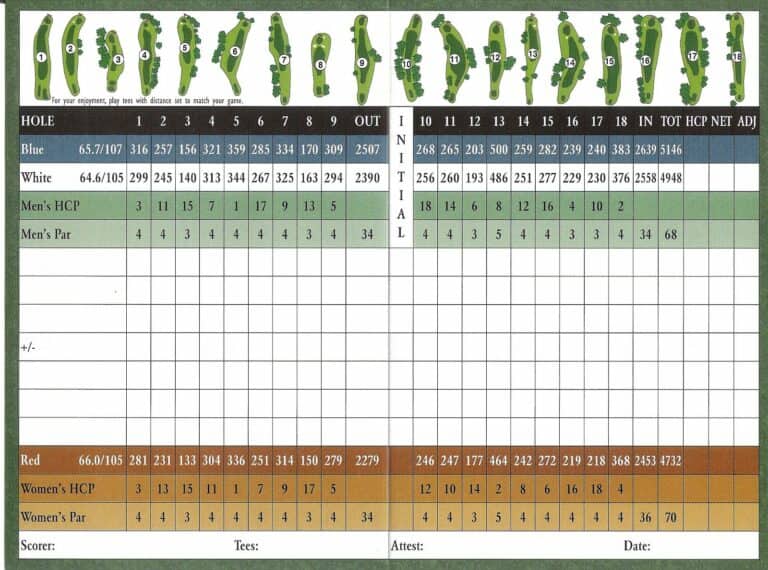
What Is Par In Golf? Independent Golf Reviews
par for the course meaning, origin, example, sentence, history
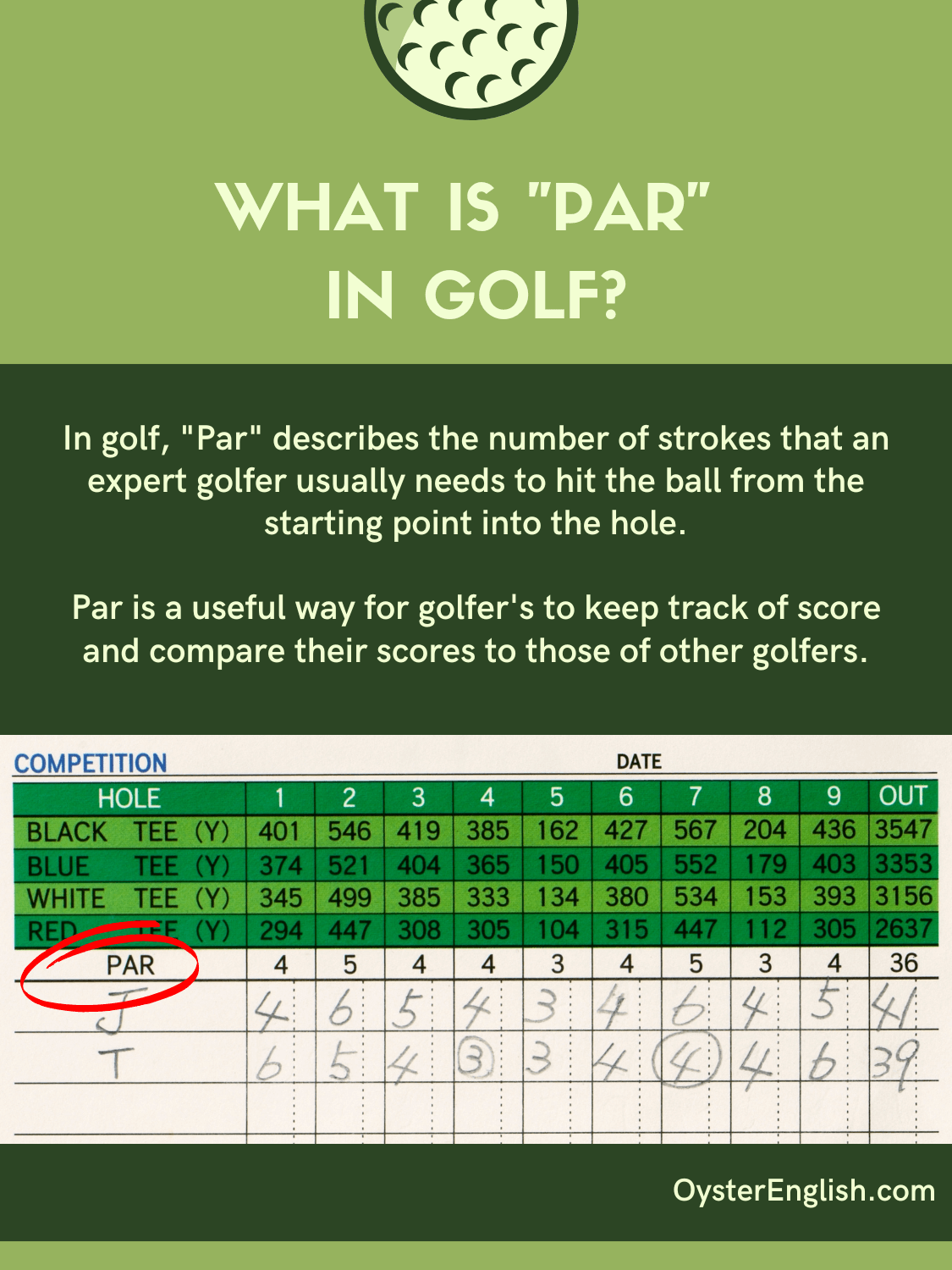
Idiom Par for the course (meaning & examples)
The Origin Of “Par For The Course” The Idiom “Par For The Course” Originated In The Game Of Golf.
If Something Is Par For The Course, It Is What You Expected It Would Be.
Par For The Course Constitutes Blatant Misuse Of The Golfing Term Because It Means Average.
Ironically, Completing A Golf Course In Par (Or Even Net Par) Is Actually Unusually Good For Most Golfers And Is Not A Typical Result.
Related Post: