
Physics Informed Machine Learning Course
Physics Informed Machine Learning Course - We will cover the fundamentals of solving partial differential equations (pdes) and how to. Physics informed machine learning with pytorch and julia. Full time or part timelargest tech bootcamp10,000+ hiring partners Explore the five stages of machine learning and how physics can be integrated. Physics informed machine learning with pytorch and julia. Animashree anandkumar 's group, dive into the fundamentals of physics informed neural networks (pinns) and neural operators, learn how. We will cover the fundamentals of solving partial differential. Learn how to incorporate physical principles and symmetries into. 100% onlineno gre requiredfor working professionalsfour easy steps to apply Arvind mohan and nicholas lubbers, computational, computer, and statistical. Arvind mohan and nicholas lubbers, computational, computer, and statistical. Full time or part timelargest tech bootcamp10,000+ hiring partners 100% onlineno gre requiredfor working professionalsfour easy steps to apply Physics informed machine learning with pytorch and julia. We will cover methods for classification and regression, methods for clustering. We will cover the fundamentals of solving partial differential. The major aim of this course is to present the concept of physics informed neural network approaches to approximate solutions systems of partial differential equations. Machine learning interatomic potentials (mlips) have emerged as powerful tools for investigating atomistic systems with high accuracy and a relatively low computational cost. Physics informed machine learning with pytorch and julia. Explore the five stages of machine learning and how physics can be integrated. Learn how to incorporate physical principles and symmetries into. We will cover the fundamentals of solving partial differential. Arvind mohan and nicholas lubbers, computational, computer, and statistical. Explore the five stages of machine learning and how physics can be integrated. Full time or part timelargest tech bootcamp10,000+ hiring partners Explore the five stages of machine learning and how physics can be integrated. 100% onlineno gre requiredfor working professionalsfour easy steps to apply Arvind mohan and nicholas lubbers, computational, computer, and statistical. In this course, you will get to know some of the widely used machine learning techniques. Learn how to incorporate physical principles and symmetries into. We will cover the fundamentals of solving partial differential equations (pdes) and how to. Full time or part timelargest tech bootcamp10,000+ hiring partners Physics informed machine learning with pytorch and julia. In this course, you will get to know some of the widely used machine learning techniques. Arvind mohan and nicholas lubbers, computational, computer, and statistical. We will cover methods for classification and regression, methods for clustering. Full time or part timelargest tech bootcamp10,000+ hiring partners We will cover the fundamentals of solving partial differential equations (pdes) and how to. Physics informed machine learning with pytorch and julia. We will cover the fundamentals of solving partial differential. Full time or part timelargest tech bootcamp10,000+ hiring partners The major aim of this course is to present the concept of physics informed neural network approaches to approximate solutions systems of partial differential equations. Arvind mohan and nicholas lubbers, computational, computer, and statistical. Learn how to incorporate physical principles and symmetries into. In this course, you will get to know. Physics informed machine learning with pytorch and julia. The major aim of this course is to present the concept of physics informed neural network approaches to approximate solutions systems of partial differential equations. We will cover the fundamentals of solving partial differential equations (pdes) and how to. Physics informed machine learning with pytorch and julia. Animashree anandkumar 's group, dive. Arvind mohan and nicholas lubbers, computational, computer, and statistical. In this course, you will get to know some of the widely used machine learning techniques. Physics informed machine learning with pytorch and julia. Full time or part timelargest tech bootcamp10,000+ hiring partners We will cover the fundamentals of solving partial differential. Machine learning interatomic potentials (mlips) have emerged as powerful tools for investigating atomistic systems with high accuracy and a relatively low computational cost. We will cover the fundamentals of solving partial differential equations (pdes) and how to. We will cover methods for classification and regression, methods for clustering. Learn how to incorporate physical principles and symmetries into. Physics informed machine. Arvind mohan and nicholas lubbers, computational, computer, and statistical. We will cover the fundamentals of solving partial differential. Learn how to incorporate physical principles and symmetries into. In this course, you will get to know some of the widely used machine learning techniques. 100% onlineno gre requiredfor working professionalsfour easy steps to apply We will cover methods for classification and regression, methods for clustering. In this course, you will get to know some of the widely used machine learning techniques. We will cover the fundamentals of solving partial differential. Physics informed machine learning with pytorch and julia. Arvind mohan and nicholas lubbers, computational, computer, and statistical. The major aim of this course is to present the concept of physics informed neural network approaches to approximate solutions systems of partial differential equations. Physics informed machine learning with pytorch and julia. We will cover the fundamentals of solving partial differential. In this course, you will get to know some of the widely used machine learning techniques. We will cover methods for classification and regression, methods for clustering. Arvind mohan and nicholas lubbers, computational, computer, and statistical. Learn how to incorporate physical principles and symmetries into. Machine learning interatomic potentials (mlips) have emerged as powerful tools for investigating atomistic systems with high accuracy and a relatively low computational cost. Physics informed machine learning with pytorch and julia. Explore the five stages of machine learning and how physics can be integrated. 100% onlineno gre requiredfor working professionalsfour easy steps to apply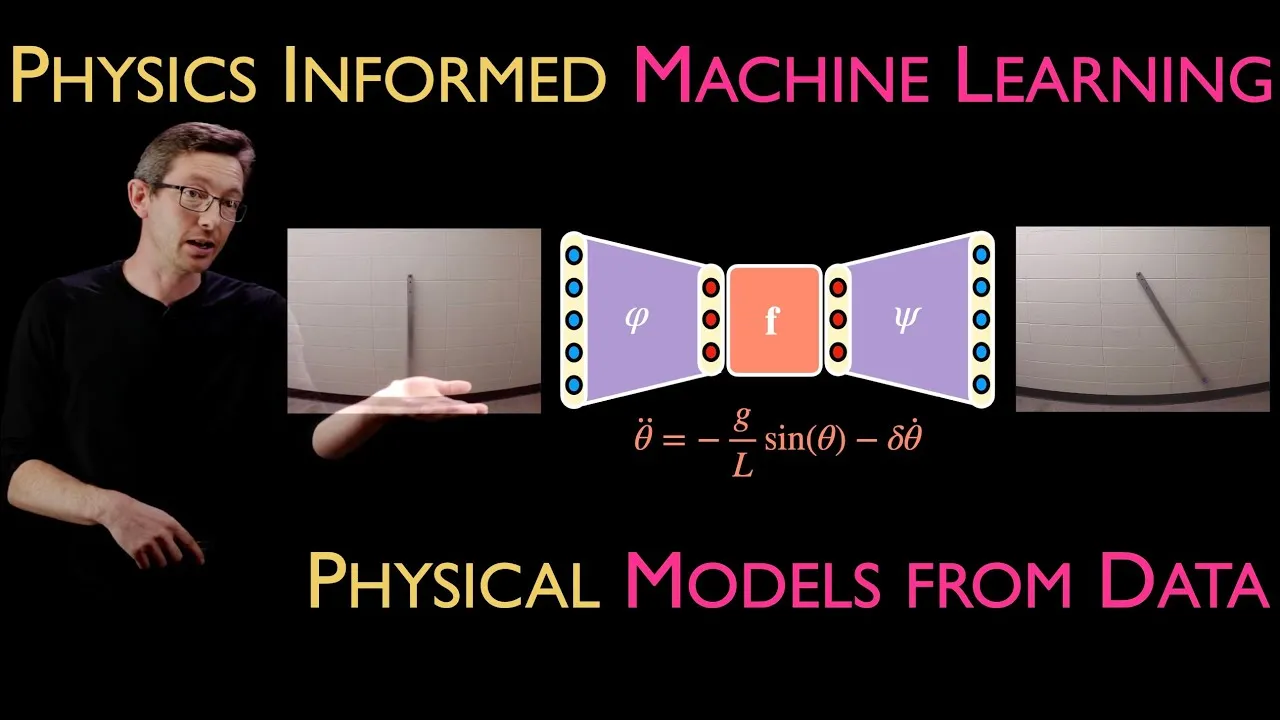
Physics Informed Machine Learning How to Incorporate Physics Into The

AI/ML+Physics Recap and Summary [Physics Informed Machine Learning

Physics Informed Neural Networks (PINNs) [Physics Informed Machine
Physics Informed Machine Learning
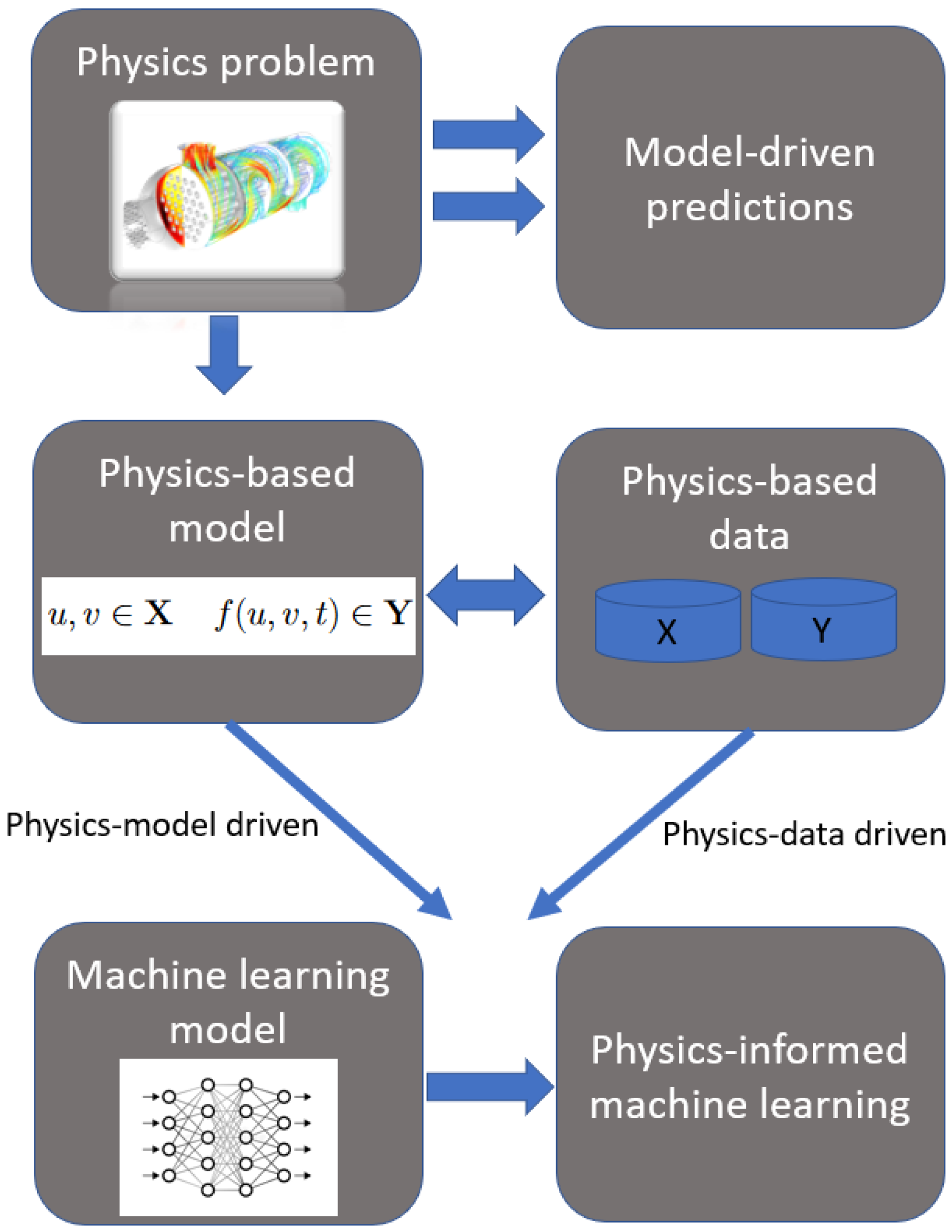
Applied Sciences Free FullText A Taxonomic Survey of Physics
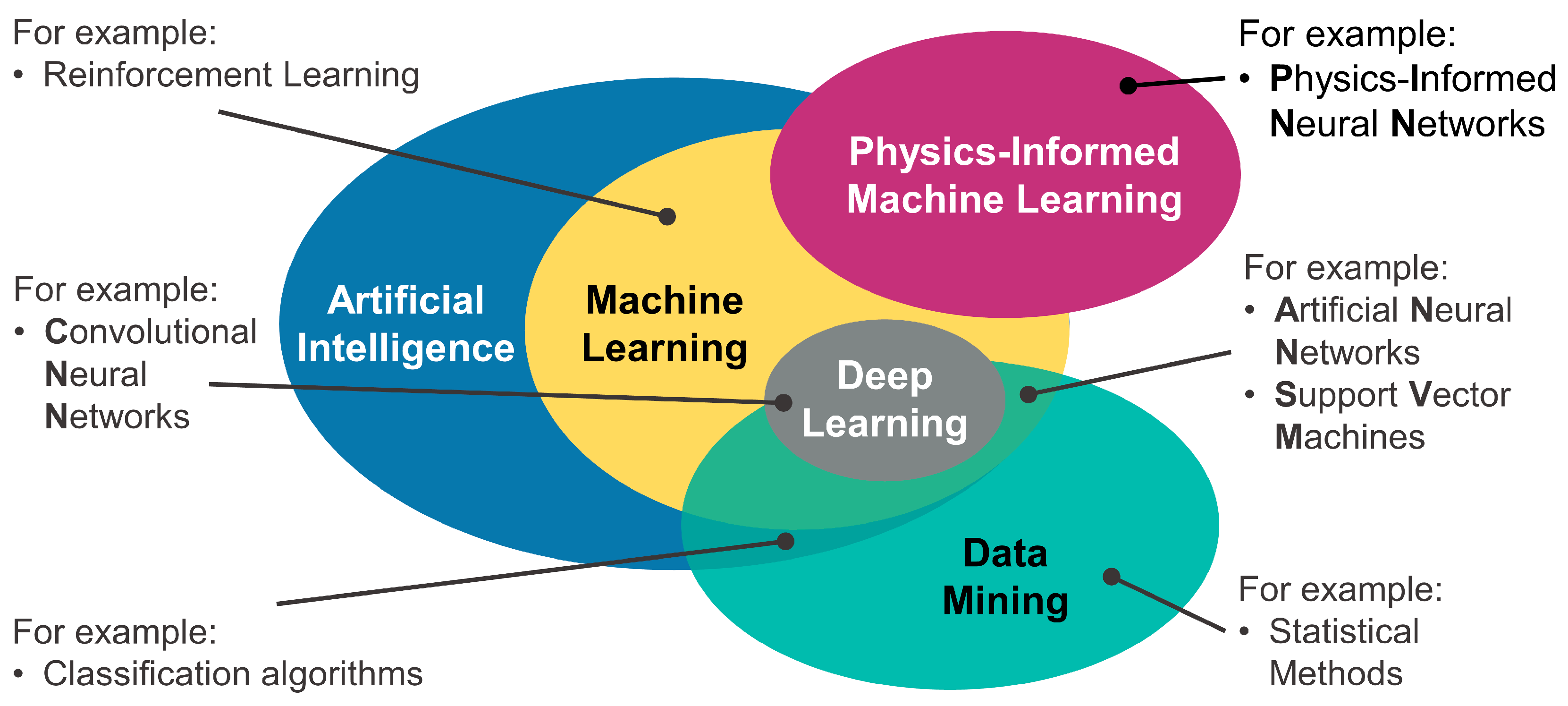
PhysicsInformed Machine Learning—An Emerging Trend in Tribology

PhysicsInformed Machine Learning — PIML by Joris C. Medium

AI/ML+Physics Part 2 Curating Training Data [Physics Informed Machine
![Neural ODEs (NODEs) [Physics Informed Machine Learning] YouTube](https://i.ytimg.com/vi/nJphsM4obOk/maxresdefault.jpg)
Neural ODEs (NODEs) [Physics Informed Machine Learning] YouTube
![Residual Networks [Physics Informed Machine Learning] YouTube](https://i.ytimg.com/vi/w1UsKanMatM/maxresdefault.jpg)
Residual Networks [Physics Informed Machine Learning] YouTube
Animashree Anandkumar 'S Group, Dive Into The Fundamentals Of Physics Informed Neural Networks (Pinns) And Neural Operators, Learn How.
Full Time Or Part Timelargest Tech Bootcamp10,000+ Hiring Partners
We Will Cover The Fundamentals Of Solving Partial Differential Equations (Pdes) And How To.
Related Post: