
Urinary System Crash Course
Urinary System Crash Course - In this episode of crash course anatomy & physiology, hank explains how the urinary system regulates the production of urine, by maintaining a study glomerular flow rate. Your urinary system, especially your kidneys, helps maintain homeostasis by:1. Test your knowledge of urinary system anatomy and function with this set of 70 flashcards. Today we're talking about the anatomy of your urinary system, and how your kidneys filter metabolic waste and balance salt and water concentrations in the blood. Crash course anatomy & physiology #38 muscle tissues and sliding filament model the real reason why. Start studying urinary system, crash course a&p part 2 #39. Join thousands of students who trust us to help them ace their exams! Study with quizlet and memorize flashcards containing terms like urinary system, kidney, layers of the kidney. Be the first to ask a question about this topic. Renin angiotensin aldosterone system in. Physiology # what’s in the blood is completely removed by the kidneys, then the body pulls back what it wants to hold onto before. Regulating your _____ volume, salt concentrations, and ph levels. Learn terms such as antidiuretic, glomerular filtration, renal pelvis, and more. Be the first to ask a question about this topic. He'll also cover the anatomy of storing and excreting. What happens when the parasympathetic nervous system says its time to pee? Study with quizlet and memorize flashcards containing terms like urinary system, kidney, layers of the kidney. Learn vocabulary, terms, and more with flashcards, games, and other study tools. Test your knowledge of urinary system anatomy and function with this set of 70 flashcards. Influencing your _____ blood cell. Today we're talking about the anatomy of your urinary system, and how your kidneys filter metabolic waste and balance salt and water concentrations in the blood. Regulating your _____ volume, salt concentrations, and ph levels.2. Start studying urinary system, crash course a&p part 2 #39. Learn about the anatomy and function of the urinary system, including the kidneys, ureters, bladder. Physiology # what’s in the blood is completely removed by the kidneys, then the body pulls back what it wants to hold onto before. Study with quizlet and memorize flashcards containing terms like urinary system, kidney, layers of the kidney. Influencing your _____ blood cell. Regulating your _____ volume, salt concentrations, and ph levels.2. Be the first to ask a. Today hank explains how the urinary system regulates the production of urine, by maintaining a study glomerular flow rate. Crash course anatomy & physiology #38 muscle tissues and sliding filament model the real reason why. Relating to or denoting both the urinary and genital organs. Join thousands of students who trust us to help them ace their exams! Your urinary. Influencing your _____ blood cell. Join thousands of students who trust us to help them ace their exams! Test your knowledge of urinary system anatomy and function with this set of 70 flashcards. Your urinary system, especially your kidneys, helps maintain homeostasis by: Crash course anatomy & physiology #38 muscle tissues and sliding filament model the real reason why. Crash course anatomy & physiology #38 muscle tissues and sliding filament model the real reason why. Study with quizlet and memorize flashcards containing terms like urinary system, kidney, layers of the kidney. Learn about the anatomy and function of the urinary system, including the kidneys, ureters, bladder and urethra. Join thousands of students who trust us to help them ace. Watch a video and download flashcards to review the key concepts of. Study with quizlet and memorize flashcards containing terms like urinary system, kidney, layers of the kidney. Your urinary system, especially your kidneys, helps maintain homeostasis by:1. What happens when the parasympathetic nervous system says its time to pee? Crash course anatomy & physiology #38 muscle tissues and sliding. Learn about the anatomy and function of the urinary system, and how it filters waste and balances fluids in the body. Influencing your _____ blood cell. Your urinary system, especially your kidneys, helps maintain homeostasis by: Learn vocabulary, terms, and more with flashcards, games, and other study tools. Start studying urinary system, crash course a&p part 2 #39. Be the first to ask a question about this topic. Physiology # what’s in the blood is completely removed by the kidneys, then the body pulls back what it wants to hold onto before. Today hank explains how the urinary system regulates the production of urine, by maintaining a study glomerular flow rate. Learn vocabulary, terms, and more with flashcards,. Crash course anatomy & physiology #38 muscle tissues and sliding filament model the real reason why. Renin angiotensin aldosterone system in. The document is a crash course worksheet on the urinary system that contains questions about kidney functions and the order of structures within the kidney and nephron. What happens when the parasympathetic nervous system says its time to pee?. Crash course anatomy & physiology #38 muscle tissues and sliding filament model the real reason why. The document is a crash course worksheet on the urinary system that contains questions about kidney functions and the order of structures within the kidney and nephron. Your urinary system, especially your kidneys, helps maintain homeostasis by:1. Influencing your _____ blood cell. Renin angiotensin. Learn about the anatomy and function of the urinary system, and how it filters waste and balances fluids in the body. The document is a crash course worksheet on the urinary system that contains questions about kidney functions and the order of structures within the kidney and nephron. Influencing your _____ blood cell. Learn vocabulary, terms, and more with flashcards, games, and other study tools. What happens when the parasympathetic nervous system says its time to pee? Watch a video and download flashcards to review the key concepts of. Renin angiotensin aldosterone system in. Psychology · sociology · information technology · statistics · calculus Regulating your _____ volume, salt concentrations, and ph levels.2. Your urinary system, especially your kidneys, helps maintain homeostasis by: Crash course anatomy & physiology #38 muscle tissues and sliding filament model the real reason why. Test your knowledge of urinary system anatomy and function with this set of 70 flashcards. Join thousands of students who trust us to help them ace their exams! Start studying urinary system, crash course a&p part 2 #39. Learn about the anatomy and function of the urinary system, including the kidneys, ureters, bladder and urethra. Influencing your _____ blood cell.
SOLUTION The urinary system crash course Studypool

Crash Course Renal and Urinary System, 4e Jones MBChB (Hons), Timothy
Crash Course Renal and Urinary Systems 4E (2012) All Chapters Instant
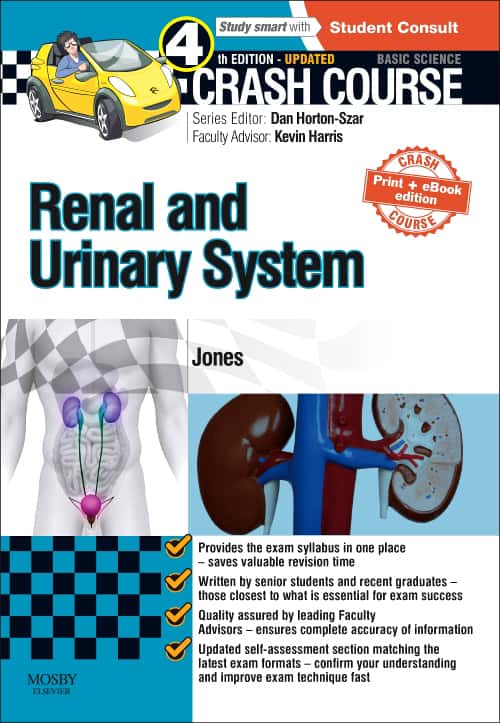
Crash Course Renal and Urinary System 4th ed. Updated + Student

Urinary System (Part 1) Crash Course Anatomy & Physiology norcet6
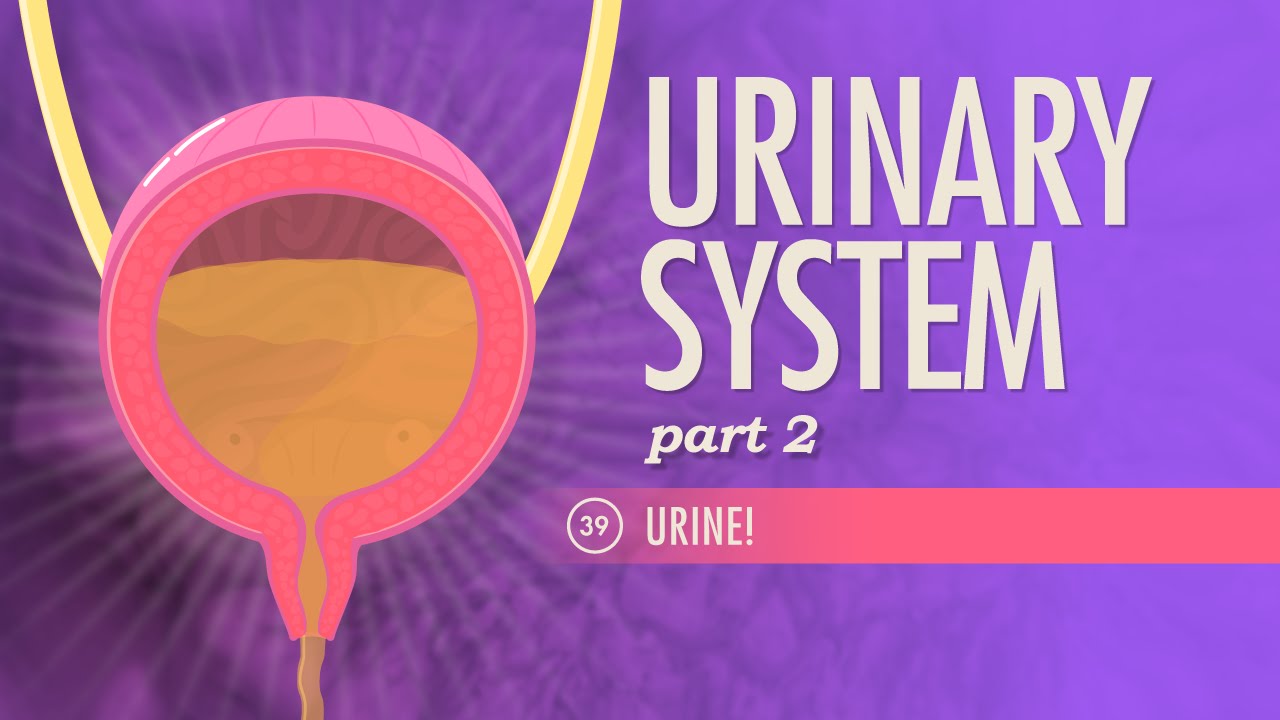
Urinary System, part 2 Crash Course A&P 39 YouTube

SOLUTION Urinary system part 2 crash course anatomy physiology Studypool
قیمت و خرید کتاب Crash Course Renal and Urinary System اثر جمعی از

Renal and Urinary Systems (Crash Course) 9780723432500 Medicine
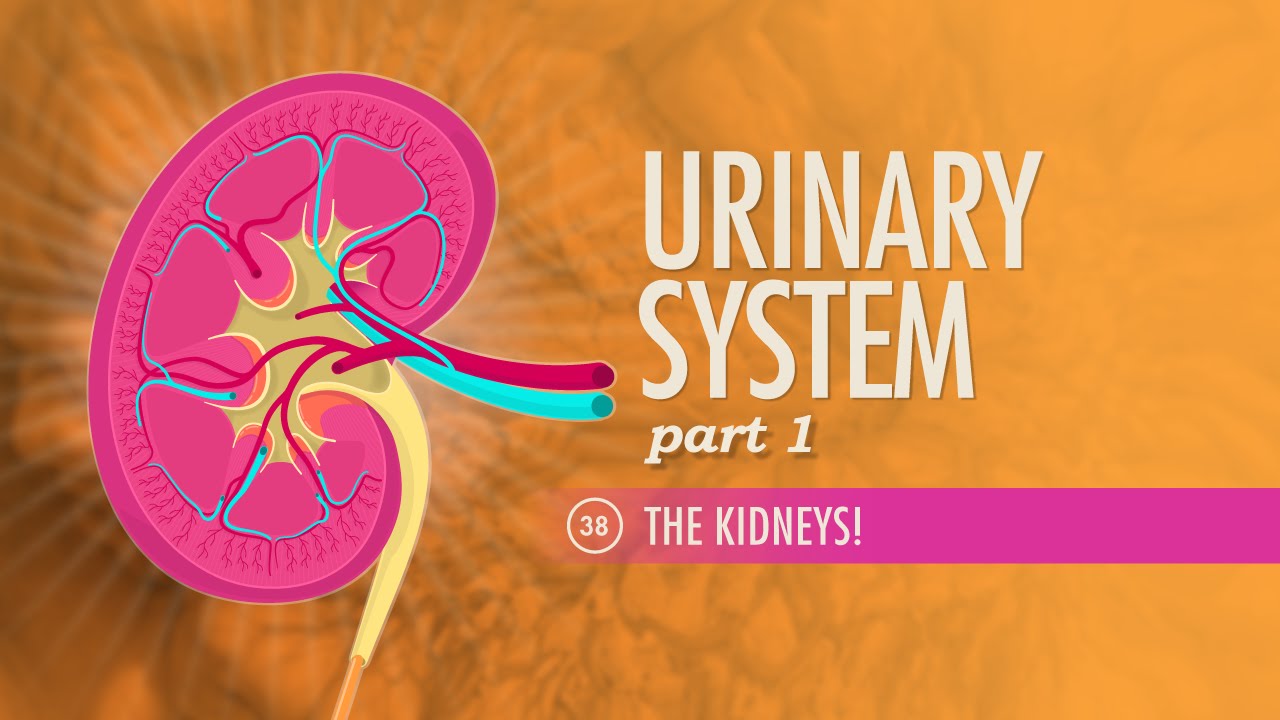
Urinary System, Part 1 Crash Course Anatomy & Physiology 38 YouTube
He'll Also Cover The Anatomy Of Storing And Excreting.
Today We're Talking About The Anatomy Of Your Urinary System, And How Your Kidneys Filter Metabolic Waste And Balance Salt And Water Concentrations In The Blood.
Your Urinary System, Especially Your Kidneys, Helps Maintain Homeostasis By:1.
Study With Quizlet And Memorize Flashcards Containing Terms Like Urinary System, Kidney, Layers Of The Kidney.
Related Post:
