
Why Of Course
Why Of Course - Used to show that what you…. The phrase “of course” is an idiomatic expression used to affirm something that is obvious, expected, or accepted without question. What do “of course” and “ofcourse” mean? Why of course is correct and usable in written english. The expression is much stronger than yes and indicates that the speaker is excited to do something that somebody else suggested. Many people mistakenly write it as “ofcourse,” raising questions about its usage, meaning, and context. Using “of course” is grammatically sound because it consists of two distinct words with specific roles: The course was formally called critical heterosexuality studies, and ward was about to become its lesbian sage. It is typically used as an expression of agreement or understanding with something that has been stated. “ofcourse” as a single word is actually a misspelling. This article will dive deep into the nuances of “of course” or “ofcourse,”. “of course” is used in both formal and informal contexts to signify certainty or agreement. The answer appears to be complex. They answer the question, “why? Types of adverbs of purpose. Why do we like who we like? “course” is a noun, often referring to the natural order. In this article, we demystify the conundrum, guiding you on the correct usage of “of course” and explaining why “ofcourse” is a common misspelling in english. Why of course is correct and usable in written english. The course was formally called critical heterosexuality studies, and ward was about to become its lesbian sage. It’s not something you really hear nowadays, but it seems. This article will dive deep into the nuances of “of course” or “ofcourse,”. But a few can be considered impolite. The phrase “of course” is an idiomatic expression used to affirm something that is obvious, expected, or accepted without question. What do “of course” and “ofcourse” mean? Used to show that what you…. It is typically used as an expression of agreement or understanding with something that has been stated. “of course” is used in both formal and informal contexts to signify certainty or agreement. They answer the question, “why? In this episode of crash course sex ed, we explore the many facets and variations of sexual. Studies typically distinguish between academic reasons—such as. The course was formally called critical heterosexuality studies, and ward was about to become its lesbian sage. What do “of course” and “ofcourse” mean? In this episode of crash course sex ed, we explore the many facets and variations of sexual orientation, and trace the history of homosexuality to the modern day. The. Why of course is correct and usable in written english. It’s not something you really hear nowadays, but it seems. An emphatic way of expressing agreement or affirmation; It is typically used as an expression of agreement or understanding with something that has been stated. In this episode of crash course sex ed, we explore the many facets and variations. And it’s times like these where the behavioral robustness of. A tropical climate is, of course, very humid, so we sweated all the time. “i feel like this class will answer a lot of, like, why are they. Adverbs of purpose explain why something happens. The expression is much stronger than yes and indicates that the speaker is excited to. “course” is a noun, often referring to the natural order. The course was formally called critical heterosexuality studies, and ward was about to become its lesbian sage. It is always difficult to stay the course in a rocky market. What are adverbs of purpose? But a few can be considered impolite. The phrase “of course” is an idiomatic expression used to affirm something that is obvious, expected, or accepted without question. The course was formally called critical heterosexuality studies, and ward was about to become its lesbian sage. What do “of course” and “ofcourse” mean? The expression is much stronger than yes and indicates that the speaker is excited to do. Studies typically distinguish between academic reasons—such as. It is typically used as an expression of agreement or understanding with something that has been stated. An emphatic way of expressing agreement or affirmation; Using “of course” is grammatically sound because it consists of two distinct words with specific roles: What are adverbs of purpose? It is typically used as an expression of agreement or understanding with something that has been stated. There are many ways to use of course in everyday speech. Adverbs of purpose explain why something happens. This article will dive deep into the nuances of “of course” or “ofcourse,”. Many people mistakenly write it as “ofcourse,” raising questions about its usage,. But why do students drop courses? Types of adverbs of purpose. The answer appears to be complex. The answer appears to be complex. Naturally, yes, sure thing, absolutely, why not, definitely, sure,. It’s not something you really hear nowadays, but it seems. In this article, we demystify the conundrum, guiding you on the correct usage of “of course” and explaining why “ofcourse” is a common misspelling in english. Does anyone know the origin/meaning of the word “why” in expressions such as “why, yes!” and “why, of course!”? Using “of course” is grammatically sound because it consists of two distinct words with specific roles: Many people mistakenly write it as “ofcourse,” raising questions about its usage, meaning, and context. Why do we like who we like? “of course” is used in both formal and informal contexts to signify certainty or agreement. Naturally, yes, sure thing, absolutely, why not, definitely, sure,. We use of course to mean ‘yes’ when we are giving permission to someone to do something: “ofcourse” as a single word is actually a misspelling. Used to say yes or to give someone permission to do something: In this episode of crash course sex ed, we explore the many facets and variations of sexual orientation, and trace the history of homosexuality to the modern day. The word why makes the. But why do students drop courses? “course” is a noun, often referring to the natural order. The answer appears to be complex.
Of course or ofcourse which form is correct? Difference…

How to Create an Online Course From Start to Finish (2024)

Hermann Goring Quote “Why, of course, the people don’t want war.” (7 wallpapers) Quotefancy
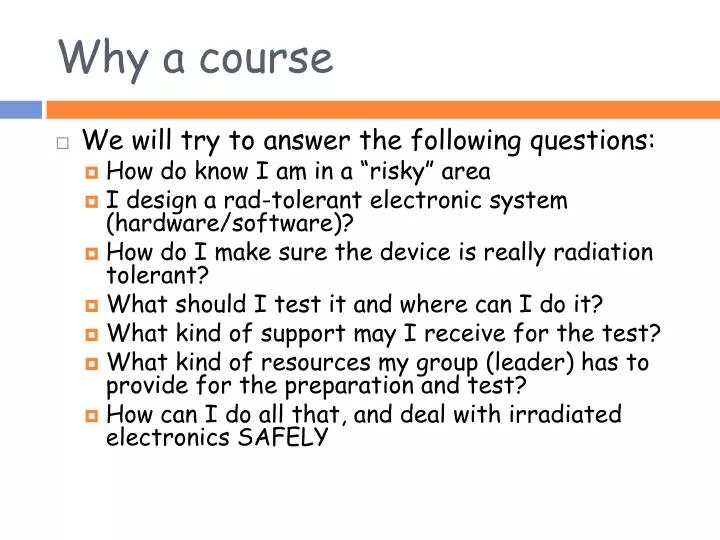
PPT Why a course PowerPoint Presentation, free download ID2588373
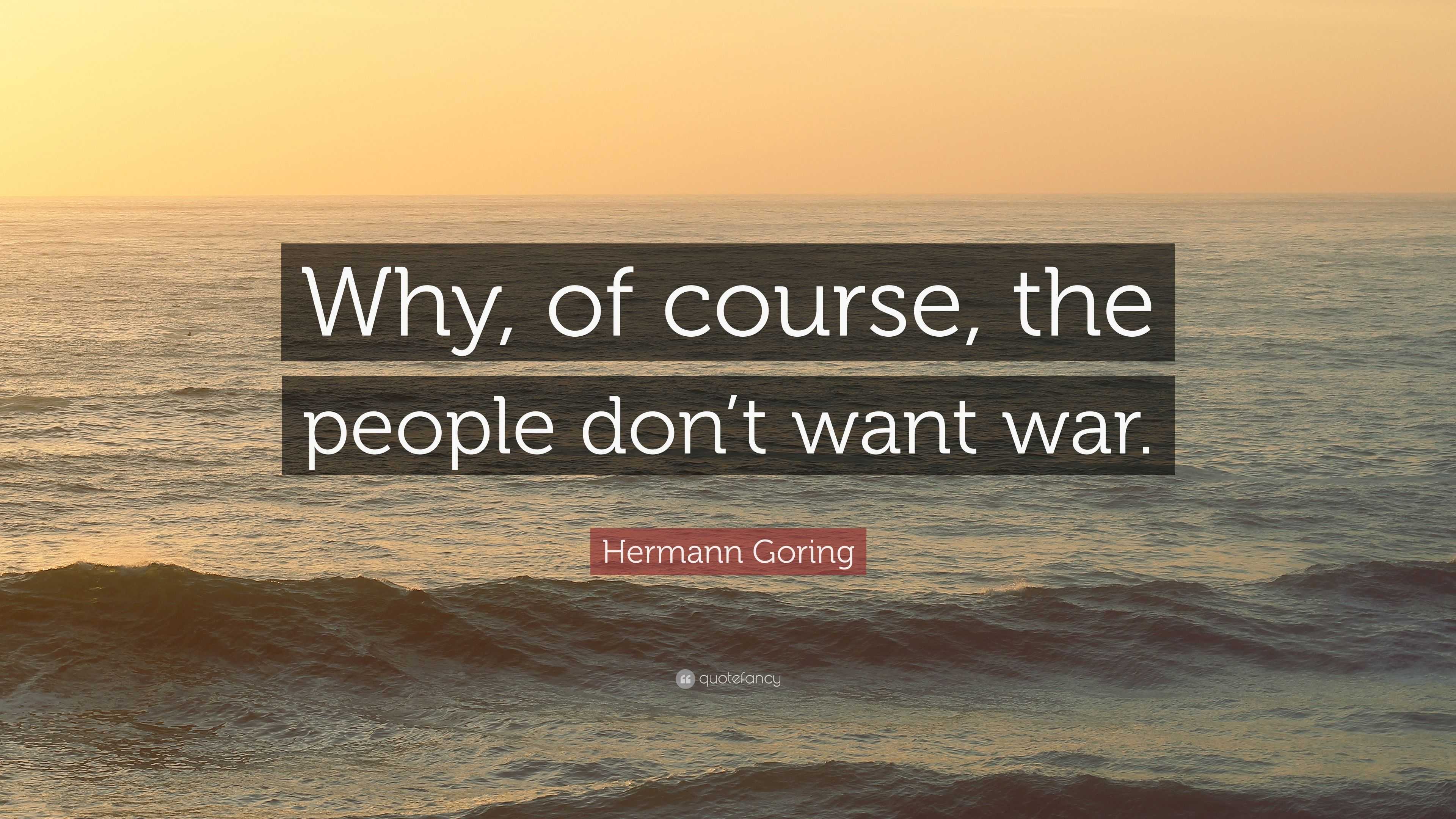
Hermann Goring Quote “Why, of course, the people don’t want war.”
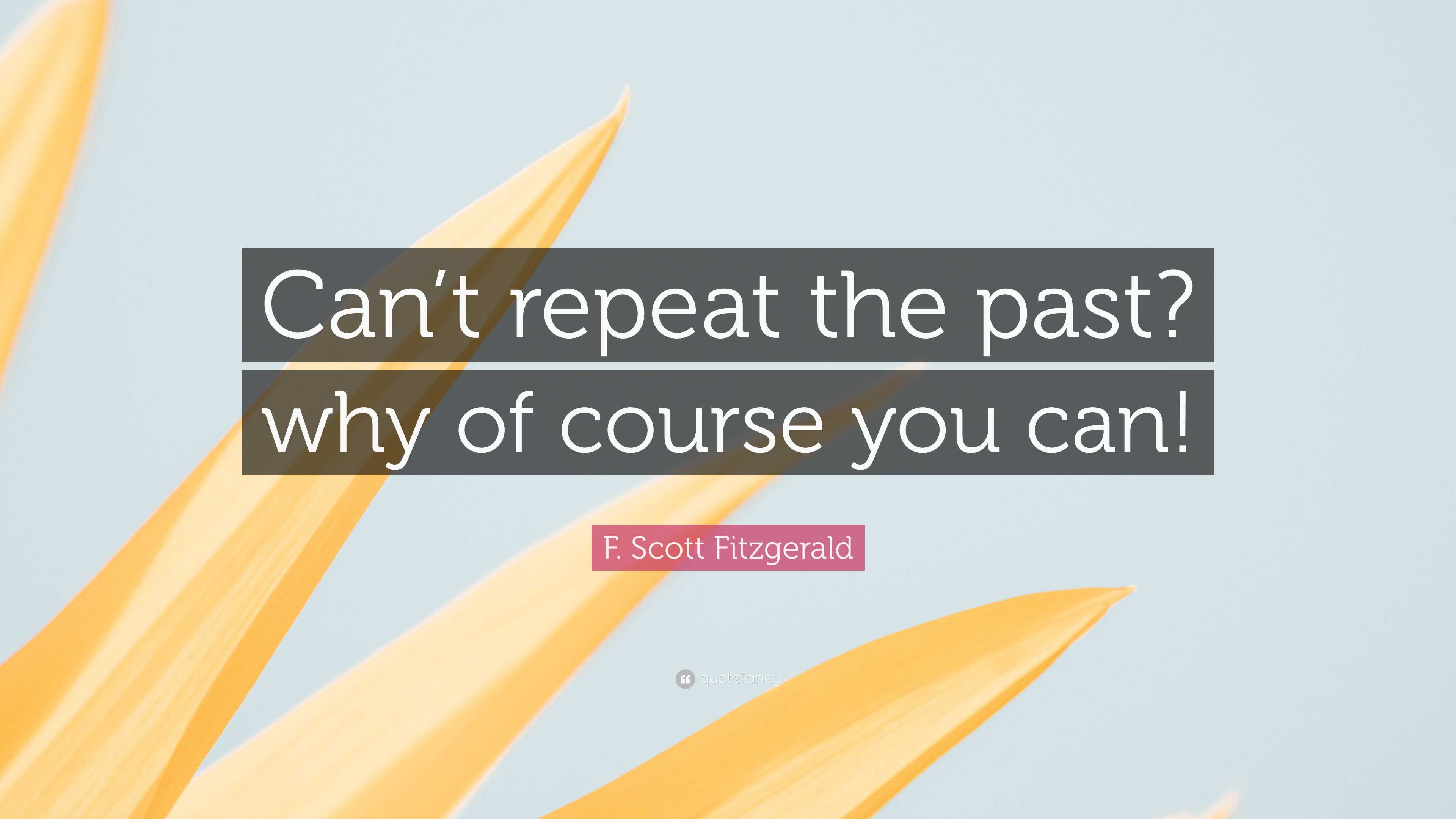
F. Scott Fitzgerald Quote “Can’t repeat the past? why of course you can!”
‘Of Course’ or ‘Ofcourse’ Which is Correct?

F. Scott Fitzgerald Quote “Can’t repeat the past? why of course you can!”

Why, of course, the people don't want war... Hermann Goering Final Speech at the Nuremberg

Hermann Goring Quote “Why, of course, the people don’t want war.”
Of Course, You Get Less Upside On The Way Up, But You Get More Protection In The Moments When You Really Need It.
But A Few Can Be Considered Impolite.
Can I Borrow Your Newspaper For A Minute?
“I Feel Like This Class Will Answer A Lot Of, Like, Why Are They.
Related Post: